In the fast-paced world of modern business, understanding and nurturing customer relationships is not just an option—it’s a necessity. Enter the realm of CRM software, a transformative tool designed to streamline and enhance how businesses interact with their customers. But what if you could elevate this interaction to new heights? Picture a digital symphony where customer support features are seamlessly integrated into your CRM software, creating a harmonious blend of efficiency and customer satisfaction.
Imagine boosting your customer service game with tools that not only keep track of your interactions but also anticipate customer needs, making each encounter more personalized and impactful. In this journey, we’ll explore the dynamic landscape of CRM software infused with robust customer support features, unlocking the potential to revolutionize your business operations. Let’s dive into the fascinating world where technology meets empathy, and discover how it can transform your business into a customer-centric powerhouse.
Understanding CRM Software
In the world of business, maintaining a robust relationship with your customers is paramount, and CRM software is a key player in this arena. Let us delve into the core functionalities and types of CRM software available today.
CRM, or Customer Relationship Management, software is designed to streamline interactions with clients, efficiently manage data, and enhance the customer experience. By integrating various customer touchpoints, CRM provides a holistic view of customer interactions and helps in making informed decisions to improve customer satisfaction and retention.
Core Functionalities of CRM Software
At its heart, CRM software centralizes customer information, making it accessible and actionable for businesses. It offers features such as contact management, sales management, productivity tools, and more, all within a singular platform. With capabilities for automating repetitive tasks and analyzing data trends, CRM software aids businesses in personalizing their approach to each customer, thus fostering stronger relationships.
Types of CRM Software Available
Understanding the different types of CRM software is crucial for selecting the right tool that fits your business needs. Below is a table summarizing the various types of CRM software available in the market:
| Type | Description | Key Features |
|---|---|---|
| Operational CRM | Focuses on streamlining customer-facing processes such as sales, marketing, and customer service. | Lead management, contact management, service automation |
| Analytical CRM | Emphasizes the analysis of customer data to improve decision-making and customer relationships. | Data warehousing, data mining, OLAP tools |
| Collaborative CRM | Aims to enhance communication and collaboration between organizations and their customers. | Interaction management, channel management, relationship management |
“The right CRM software not only helps in managing customer relations but also transforms them into meaningful partnerships.”
Key Customer Support Features in CRM
In today’s competitive market, customer satisfaction is paramount, and CRM software has become indispensable for delivering exceptional customer support. By integrating customer support features, CRM platforms empower businesses to create a seamless service experience.
These features are designed to streamline customer interactions, resolve issues efficiently, and build stronger relationships. From tracking support tickets to providing real-time assistance, CRM tools are reshaping the way businesses engage with their customers.
Enhancing Customer Service with CRM
CRM software rich in customer support features ensures that every interaction is handled with precision and care. Here are some of the vital features that make CRM systems a game-changer for customer support:
- Ticket Management: Organizes customer inquiries and issues into manageable tickets, ensuring each concern is addressed promptly and thoroughly.
- Live Chat Integration: Offers real-time communication with customers, providing immediate assistance and increasing satisfaction.
- Knowledge Base: A self-service repository where customers can find answers to common questions, reducing the burden on support teams.
- Automated Response System: Delivers quick, automated replies to common inquiries, ensuring customers receive timely information.
- Multichannel Support: Allows customers to reach out via their preferred channels—be it email, phone, social media, or chat—enhancing accessibility.
- Customer Feedback Collection: Gathers insights directly from customers, aiding in the continuous improvement of service quality.
“Providing exceptional customer support is no longer an option—it’s a necessity.”
Integrating these features into your CRM system not only enhances customer satisfaction but also aligns customer service with business objectives, creating a win-win scenario for both customers and businesses alike.
Benefits of CRM Software with Customer Support Features
In today’s fast-paced business world, maintaining a strong relationship with your customers is crucial. CRM software equipped with customer support features revolutionizes the way businesses interact with clients, offering an edge over the competition.
From streamlining customer interactions to enhancing customer satisfaction, the benefits of using CRM software with built-in support features are numerous and impactful. Let’s dive deeper into how these tools can transform your business.
Enhanced Customer Interaction and Satisfaction
Seamless communication is key to building strong customer relationships. CRM software with customer support features enables businesses to maintain a consistent and personalized interaction with their clients. This not only enhances customer satisfaction but also fosters loyalty, which is vital for long-term success.
Consider the case of ABC Corp., a mid-sized e-commerce company that incorporated CRM software with advanced support features. Within six months, they saw a 30% increase in customer retention rates, thanks to the system’s ability to track customer queries and history efficiently.
“The CRM software transformed our customer service experience, allowing us to address issues promptly and effectively,” notes the CEO of ABC Corp.
Streamlined Business Operations
Another significant advantage of CRM software is its ability to streamline business operations. By integrating customer support features, businesses can automate routine tasks, reduce manual errors, and improve overall efficiency.
Let’s look at a comparative analysis of business operations before and after implementing CRM software:
| Aspect | Before CRM Implementation | After CRM Implementation |
|---|---|---|
| Response Time | 2-3 days | Within 24 hours |
| Customer Satisfaction Rate | 70% | 90% |
| Operational Costs | High | Reduced by 20% |
This table clearly shows the stark contrast in business efficiency and customer satisfaction before and after CRM adoption, highlighting its transformative impact.
Implementation Strategies for CRM Software
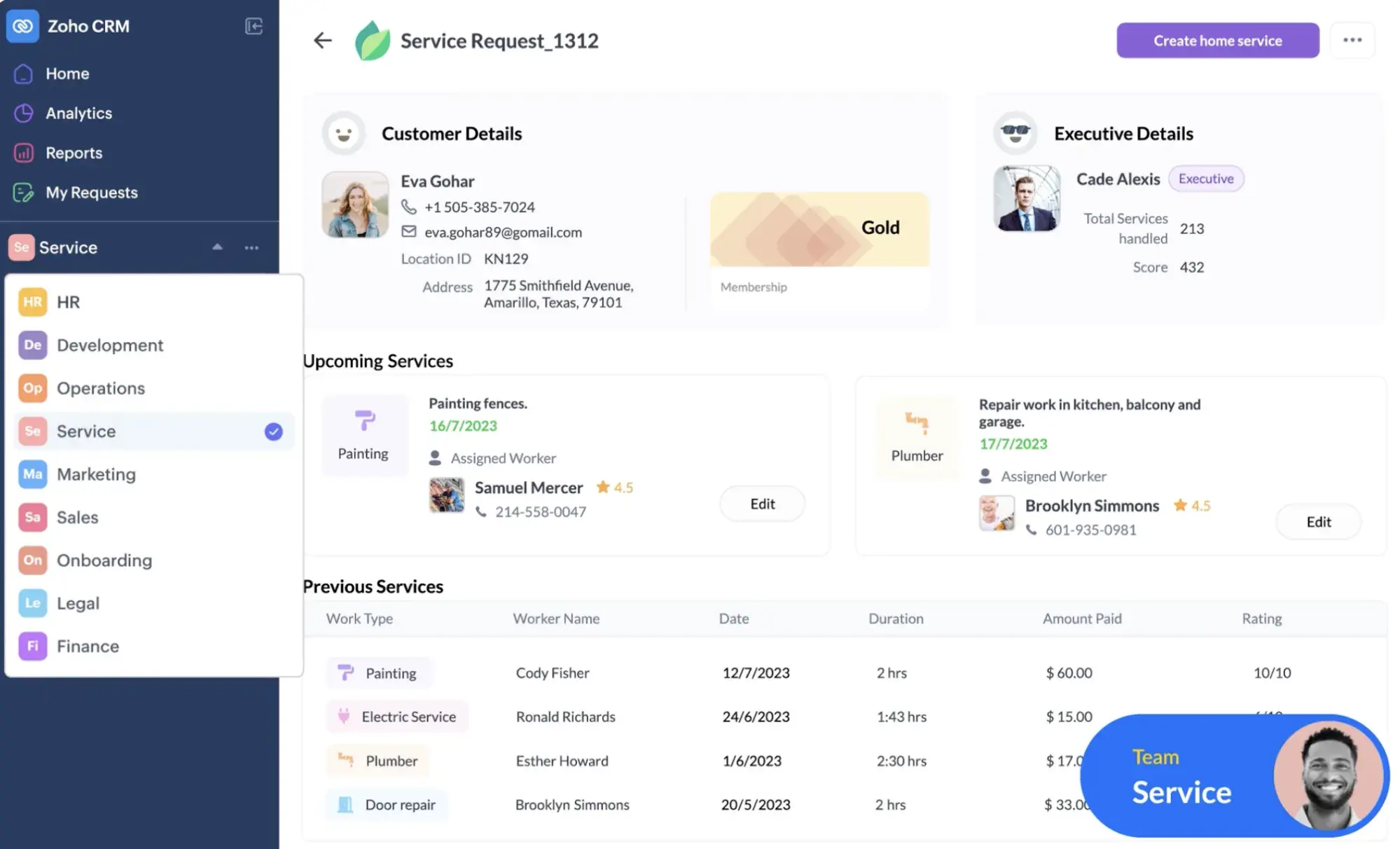
Embarking on the journey of implementing CRM software with customer support features is an exciting opportunity to enhance your business operations. However, it’s crucial to approach this process with a well-thought-out strategy to ensure successful integration and maximum benefit.
A methodical plan is the foundation of a seamless CRM software implementation. This involves understanding your company’s unique requirements, selecting the right software, and meticulously planning each step of the deployment process. Let’s delve into the finer details of implementing CRM software effectively.
Steps to Successfully Implement CRM Software
Implementing CRM software requires a clear roadmap. Here’s a comprehensive guide to ensure you’re on the right track:
- Define Objectives: Clearly artikel what you aim to achieve with the CRM software. Are you looking to improve customer service, streamline operations, or enhance data management?
- Choose the Right CRM: Evaluate different CRM solutions to find one that fits your business needs. Consider factors like scalability, cost, and key features such as customer support.
- Assemble a Project Team: Gather a cross-functional team that includes IT personnel, sales, and customer service representatives to oversee the implementation process.
- Data Migration Plan: Develop a strategy for migrating existing data into the new CRM system. Ensure data integrity and security during the transition.
- Customize and Test: Tailor the CRM to suit your business processes and conduct thorough testing to iron out any kinks.
- Train Your Staff: Provide comprehensive training sessions for all users to familiarize them with the CRM and its features.
- Monitor and Evaluate: After deployment, continuously monitor the CRM’s performance and make necessary adjustments to optimize its use.
Timeline for CRM Software Deployment
Crafting a timeline is essential to keep your CRM deployment on track. Here’s a suggestion on how to structure your timeline:
- Week 1-2: Define objectives and assemble your project team.
- Week 3-4: Research and select the CRM software.
- Week 5-6: Begin data migration and customization.
- Week 7: Conduct testing phases to ensure system readiness.
- Week 8: Train your team and prepare for the launch.
- Week 9: Deploy the CRM system and start monitoring.
- Ongoing: Evaluate performance and make improvements.
Flowchart of the Implementation Process
Visualizing the process can greatly aid understanding. Here’s a straightforward flowchart illustrating the key stages of CRM implementation:
“A well-implemented CRM system can transform your business by enhancing customer relationships and operational efficiency.”

Overcoming Challenges in CRM Software Adoption
Adopting CRM software is a transformative process that promises significant benefits but also comes with its own set of challenges. Understanding these challenges and effectively strategizing to overcome them is essential for a successful implementation.
Businesses often face hurdles related to user resistance, data integration, and the alignment of CRM functionalities with their specific needs. These challenges can be daunting, but with the right approach and mindset, they are indeed surmountable.
User Resistance to Change
One of the most common challenges in adopting CRM software is resistance to change from employees. Many staff members may feel comfortable with their current systems and practices, fearing that a new system will disrupt their familiar workflow.
- Provide comprehensive training sessions on the new CRM system, ensuring that all users are aware of its potential to simplify their tasks and enhance productivity.
- Involve employees in the selection and customization process to make them feel part of the change, reducing resistance.
- Offer ongoing support and create a feedback loop to address concerns and tweak the system as necessary.
Seamless Data Integration
Integrating CRM software with existing systems is critical. Many businesses encounter data silos that are challenging to unify, leading to incomplete or inconsistent customer data.
To address this, businesses should:
- Conduct a full audit of current data systems to identify potential integration points and data redundancy.
- Choose a CRM system that offers flexible integration capabilities and supports various data formats.
- Implement data cleaning and migration processes that ensure data consistency and accuracy.
Alignment with Business Goals
Another challenge is ensuring that the CRM system aligns with the company’s specific business objectives. A well-implemented CRM should bolster, not hinder, these goals.
| Challenge | Strategy |
|---|---|
| Misalignment with Business Processes | Customize CRM workflows to reflect the specific business processes and objectives. |
| Lack of Scalability | Select a CRM that can grow with the business, offering modular features and services. |
Examples of Successful CRM Software Adoption
Numerous companies have navigated these challenges successfully, turning potential pitfalls into opportunities for growth. Consider the case of Company X, which experienced initial resistance but overcame it through employee involvement and tailored training programs. Their CRM adoption resulted in a 25% boost in customer satisfaction within the first year.
“Implementation isn’t just about the software; it’s about transforming the way we work for the better.” – Company X CEO
Similarly, Company Y tackled data integration by investing in bespoke integration solutions, leading to a unified customer view and increased sales efficiency. These success stories highlight that with the right approach, overcoming CRM adoption challenges is not just feasible but can also drive substantial business growth.
Future Trends in CRM Software and Customer Support

The landscape of CRM software and customer support is evolving at an unprecedented pace. As technology continues to advance, these innovations are poised to redefine how businesses interact with their customers.
Let’s delve into the emerging trends that are set to transform CRM solutions and customer support practices in the coming years.
Integration of Artificial Intelligence for Enhanced Customer Insight
CRM systems are increasingly leveraging Artificial Intelligence (AI) to provide deeper insights into customer behavior. AI enables businesses to analyze vast amounts of data to identify patterns and trends, thereby enhancing personalization and improving customer relationships. Predictive analytics, a key component of AI, helps in forecasting customer needs and offering proactive solutions, which significantly boosts customer satisfaction.
Omnichannel Customer Support Revolutionizing Interaction
Modern CRM platforms are adopting an omnichannel approach to customer support, ensuring seamless communication across multiple channels. From social media and chatbots to traditional email and phone calls, customers can engage with businesses through their preferred platform. This not only improves accessibility but also creates a cohesive customer experience, wherein all interactions are logged and available for informed decision-making.
Projected Trends and Their Impact on Customer Support
Emerging trends are reshaping the way businesses approach customer support. The table below highlights some of these key trends and their potential impact:
| Trend | Potential Impact on Customer Support |
|---|---|
| AI-Driven Automation | Reduces response times and enhances efficiency in resolving customer queries. |
| Real-time Data Analytics | Provides actionable insights, enabling more personalized customer interactions. |
| Mobile-First CRM Solutions | Empowers support teams to assist customers anytime, anywhere, without compromising on service quality. |
| Blockchain for Data Security | Ensures heightened data protection, building trust with customers through secure transactions. |
Cloud-Based CRM Solutions for Scalability and Flexibility
With the increasing demand for scalable and flexible solutions, cloud-based CRM software is becoming the norm. This trend allows businesses to easily expand their operations without the constraints of physical infrastructure. Moreover, cloud solutions offer real-time updates and accessibility, making it easier for teams to collaborate and deliver exceptional customer service, regardless of their location.
“The future of CRM is not just about managing customer relationships but enhancing every touchpoint with intelligent, data-driven insights.”
Final Summary
As the business world evolves, so too must our strategies for customer engagement. CRM software with integrated customer support features offers a glimpse into the future, a future where businesses are not merely surviving but thriving. By embracing these powerful tools, you are not just investing in software; you are investing in stronger customer relationships, enhanced service delivery, and ultimately, a more profitable and sustainable business model. Let this be your call to action, to harness technology in a way that propels your business into a new era of success and innovation. The future is yours to shape—let’s build it together!