In the fast-paced world of business, the ability to transform raw data into actionable insights is the key to staying ahead. Imagine having a magic wand that not only helps you understand your customers better but also predicts their next move. Welcome to the world of CRM analytics tools – the secret weapon for businesses ready to harness the full potential of their data!
Picture this: a dynamic landscape where data isn’t just numbers on a screen but a story waiting to be told. With CRM analytics tools, you can decode these stories, giving your business an edge like never before. Dive into a realm where your customer relationships are enhanced, strategies are refined, and success is within reach. Let’s explore how these tools can transform data into your most valuable asset, unlocking unprecedented business growth and customer satisfaction.
Overview of CRM Analytics Tools
In the realm of customer relationship management, CRM analytics tools are the secret sauce that turns raw data into actionable insights. By leveraging these sophisticated tools, businesses can enhance their understanding of customer behavior, driving strategic decisions that lead to improved customer engagement and retention.
CRM analytics tools are designed to not only collect and analyze data but also to present it in a way that makes sense for your business objectives. They empower companies to delve deep into customer interactions, streamline processes, and ultimately foster stronger relationships.
Purpose and Benefits of CRM Analytics Tools
At the heart of CRM analytics tools lies the ability to transform vast amounts of customer data into meaningful insights. These tools serve multiple purposes, including predicting customer trends, identifying sales opportunities, and enhancing marketing strategies. As businesses become more data-driven, the benefits of these tools become increasingly evident, from improved decision-making to heightened customer satisfaction.
- Improved decision-making through data-driven insights
- Enhanced customer satisfaction via personalized experiences
- Increased sales through targeted marketing and sales initiatives
Popular CRM Analytics Tools
Among the array of CRM analytics tools available, several stand out due to their robust features and user-friendliness. These tools are designed to cater to different business needs, offering unique functionalities that can be tailored to specific objectives.
- Salesforce Analytics: Known for its comprehensive suite of analytics capabilities, Salesforce provides deep insights into customer data, enabling businesses to make informed decisions.
- HubSpot Analytics: Offers user-friendly dashboards and reports, making it easy for businesses to track performance and optimize their strategies.
- Zoho CRM Analytics: Provides customizable reports and predictive analytics, helping businesses forecast trends and align their objectives accordingly.
- Microsoft Dynamics 365: Integrates seamlessly with other Microsoft products, offering a powerful platform for detailed analytics and insights.
Role of CRM Analytics in Enhancing Customer Relationship Management
CRM analytics play a pivotal role in refining customer relationship management by providing a granular view of customer interactions and preferences. This insight allows businesses to personalize communication, anticipate needs, and resolve issues proactively, creating a more engaging customer experience.
“The art of customer relationship management is enhanced through analytics, turning data into dialogues that resonate.” – Industry Expert
Through the application of CRM analytics, businesses can develop targeted campaigns, tailor their services to match customer expectations, and ultimately, build lasting relationships that drive loyalty and growth.
Features and Capabilities of CRM Analytics Tools
Dive into the world of CRM analytics tools, where every click and interaction unveils a treasure trove of insights. These tools are designed to empower businesses by transforming raw data into actionable intelligence.
CRM analytics tools come equipped with a variety of features that help organizations understand their customer data better. From real-time data processing to predictive analytics, these tools offer capabilities that drive strategic decision-making and propel businesses forward.
Core Features and Comparative Analysis
When exploring CRM analytics tools, it’s essential to understand the core features that make them indispensable. Let’s delve into some key functionalities that you can expect:
- Data Integration: Seamlessly combine data from various sources for a unified view.
- Real-Time Analytics: Instant insights allowing for agile responses to emerging trends.
- Predictive Modeling: Anticipate future customer actions and potential outcomes.
- Customizable Dashboards: Tailor your analytics view to highlight metrics critical to your business.
Here’s a comparative snapshot of popular CRM analytics tools, highlighting their distinctive features and capabilities:
| Feature | Tool A | Tool B | Tool C |
|---|---|---|---|
| Data Integration | Advanced API support | Native integrations | Third-party connectors |
| Real-Time Analytics | Available | Not available | Available |
| Predictive Modeling | Machine learning algorithms | Basic statistical models | Advanced AI-driven insights |
| Customizable Dashboards | Drag-and-drop interface | Predefined templates | Fully customizable |
Advanced Analytics Capabilities
To truly harness the power of CRM analytics, advanced capabilities provide a deeper dive into customer behavior and market trends.
These tools offer insights beyond the obvious, such as:
- Sentiment Analysis: Decipher customer emotions using natural language processing, gaining insights into brand perception.
- Churn Prediction: Identify customers at risk of leaving, allowing proactive engagement strategies.
- Customer Lifetime Value Analysis: Project the total value a customer brings over their entire relationship with your business.
- Segmentation and Cohort Analysis: Group customers based on behavior for targeted marketing efforts.
These advanced features are not mere add-ons; they are vital components that drive profound business transformations. As one expert puts it:
“The depth of insight provided by advanced CRM analytics capabilities is akin to having a crystal ball for customer behavior.”
Integration with Other Systems
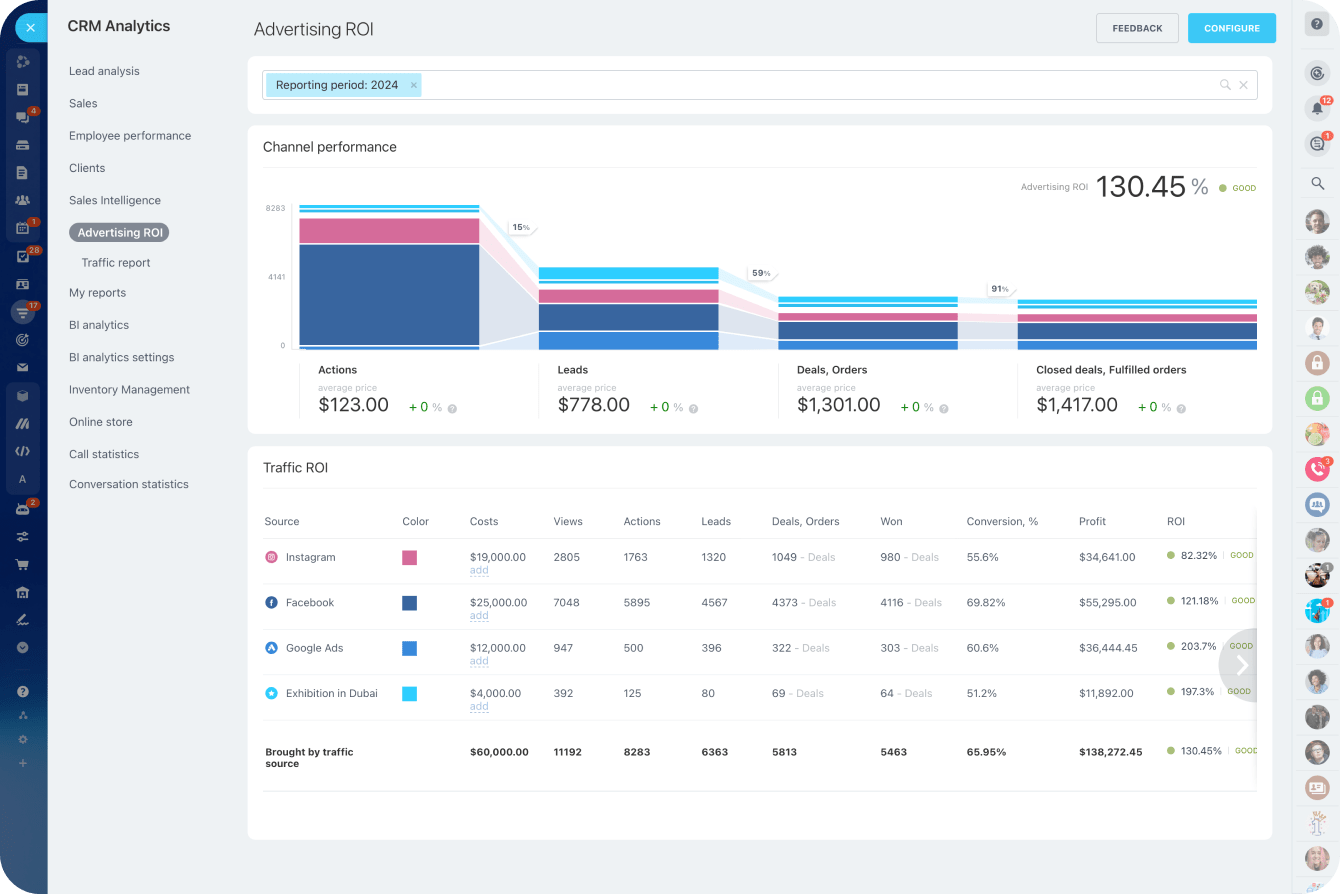
In the ever-evolving landscape of business, the ability of CRM analytics tools to seamlessly integrate with other systems is a game-changer. This integration plays a pivotal role in ensuring a holistic view of business operations, enhancing decision-making processes.
CRM analytics tools are designed to connect with a myriad of external systems, ranging from marketing automation platforms to ERP solutions, providing a unified approach to data management. By bridging these systems, businesses can achieve unprecedented levels of efficiency and insight.
Successful Integration Examples and Benefits
One standout example is the integration of CRM analytics with marketing automation tools. By linking these systems, businesses can track the entire customer journey, from the first point of contact to post-sale engagement. This not only enhances customer experience but also boosts conversion rates.
Another example is the integration with ERP systems. This allows for real-time inventory management and financial analytics, helping businesses make informed decisions that are crucial for growth. The synergy between CRM and ERP systems ensures that all departments have access to the same data, fostering collaboration and reducing errors.
Setting Up Integrations for Better Data Synergy
Embarking on the integration journey requires a strategic approach to ensure smooth operations. Initially, businesses must identify the systems that hold the most value when integrated with CRM analytics tools. Once identified, it involves setting up APIs or using middleware to facilitate data exchange.
It’s crucial to involve IT and business teams to establish clear objectives and ensure that data flows effortlessly between systems. Regular monitoring and adjustments are necessary to adapt to any changes in business needs, ensuring that the integration remains beneficial.
“Data synergy through integration is not just a trend but a necessity for modern enterprises.”
By leveraging the power of integrations, businesses can unlock new levels of insights, drive performance, and gain a competitive edge in today’s dynamic market.
Data Visualization and Reporting
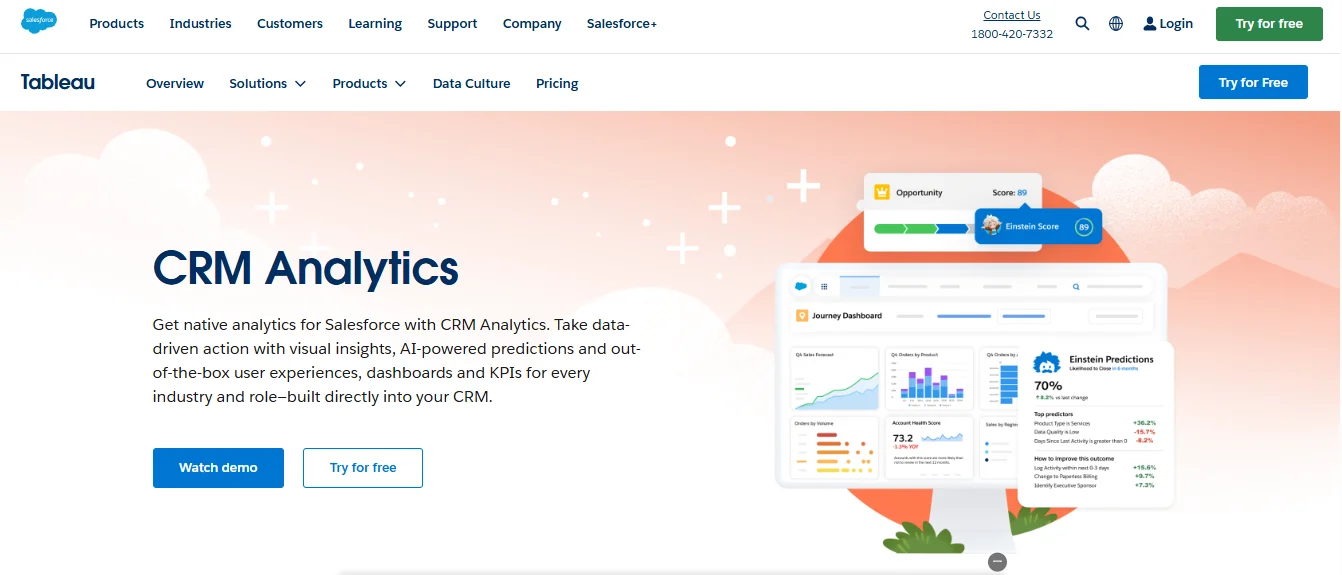
In the sophisticated world of CRM analytics, data visualization isn’t just a tool—it’s an art form. With the power of visualization, complex datasets transform into intuitive stories, guiding strategic decisions with clarity and precision.
CRM analytics tools empower users with an array of visualization options that breathe life into raw data. By converting numbers into vivid charts and graphs, these tools ensure insights are accessible to all, from data novices to analytics aficionados.
Types of Data Visualizations and Their Purposes
Visualization is crucial for understanding trends and making informed decisions. CRM analytics tools offer a variety of visualization types to suit different analytical needs. Here’s a closer look:
| Type of Visualization | Purpose |
|---|---|
| Bar Charts | Compare quantities across different categories |
| Line Graphs | Track changes over time |
| Pie Charts | Show proportions and percentages |
| Heat Maps | Display data density and variations |
| Scatter Plots | Identify relationships and correlations |
Each visualization type serves a unique function, paving the way for deeper insights and fostering a culture of data-driven decision-making.
Generating and Customizing Reports for Stakeholders
Crafting the perfect report is an essential skill, one that transforms raw data into compelling narratives tailored for diverse audiences. With CRM analytics tools, generating and customizing reports becomes an intuitive process that caters to specific stakeholder needs.
Creating a report begins with selecting the key metrics to highlight. The next step involves choosing the right visualizations that best represent the data. CRM analytics tools offer interactive features, allowing users to customize reports by adding filters, adjusting time frames, and selecting the most impactful view formats.
Once the visuals are set, users can tailor the report’s layout, ensuring it aligns with the stakeholder’s preferences and expectations. This personalized approach not only makes the data more approachable but also enhances the narrative’s impact.
“Data becomes powerful when it tells a story that resonates with its audience.”
Thus, CRM analytics tools bridge the gap between raw data and strategic insights, crafting reports that are not just informative but also actionable.
Use Cases and Industry Applications

CRM analytics tools have revolutionized the way industries leverage customer data to drive growth. By transforming raw data into actionable insights, businesses across various sectors are experiencing unprecedented levels of engagement and efficiency.
From retail to healthcare, these tools are being utilized to tailor experiences and streamline operations, proving invaluable in today’s data-driven world.
Retail: Personalizing Customer Experiences
In the competitive realm of retail, CRM analytics play a pivotal role in understanding consumer behavior and predicting purchasing trends. Retailers can analyze past purchases, browsing history, and customer feedback to create personalized marketing strategies. This leads to enhanced customer satisfaction and higher conversion rates. For instance, a leading department store chain used CRM analytics to segment its customer base, resulting in a 25% increase in targeted promotions’ effectiveness.
Healthcare: Enhancing Patient Care
In the healthcare sector, CRM analytics tools are utilized to improve patient outcomes and operational efficiency. By analyzing patient data, healthcare providers can offer personalized care plans and monitor patient progress effectively. Moreover, these tools help in predicting health trends and optimizing resource allocation. A notable case is a hospital network that employed CRM analytics to reduce patient readmission rates by 15%, significantly improving patient care and satisfaction.
Financial Services: Streamlining Client Management
Financial institutions rely on CRM analytics to manage client relationships and optimize service delivery. By analyzing transaction data and communication history, banks can offer tailored financial advice and identify cross-selling opportunities. This not only enhances client loyalty but also boosts revenue streams. For example, a major bank utilized these insights to enhance its financial advisory services, resulting in a 30% increase in customer retention rates.
Manufacturing: Optimizing Supply Chain Efficiency
In manufacturing, CRM analytics are key to enhancing supply chain management and customer service. By analyzing sales and customer feedback data, manufacturers can forecast demand more accurately and streamline production processes. This leads to reduced waste and improved product delivery times. A leading electronics manufacturer implemented CRM analytics and achieved a 20% reduction in inventory costs, showcasing the tool’s potential in optimizing operations.
Future Trends in CRM Analytics
In the ever-evolving landscape of CRM analytics, the future beckons with promises of enhanced technology and smarter insights. As organizations strive to harness the power of data, new trends are emerging that redefine how insights are extracted and utilized.
The integration of cutting-edge technologies such as artificial intelligence (AI) and machine learning is set to revolutionize CRM analytics. These innovations promise to deliver not just refined data insights but also real-time predictive capabilities that can transform customer relationships.
The Rise of AI and Machine Learning in CRM
The future of CRM analytics is undoubtedly intertwined with artificial intelligence and machine learning. These technologies are moving beyond mere buzzwords to become integral components of sophisticated CRM systems. AI algorithms can analyze vast amounts of customer data to identify patterns that humans might overlook. With machine learning, CRM systems can continuously improve their predictions and recommendations based on new data inputs.
Imagine a CRM system that doesn’t just store data but learns from it, providing insights on customer behavior, predicting future trends, and even suggesting actions to enhance customer engagement. This is the promise of AI and machine learning in CRM analytics, transforming data from a static resource into a dynamic driver of business strategy.
Real-Time Data Processing and Predictive Analytics
One of the most exciting developments in CRM analytics is the ability to process data in real time. With advancements in technology, CRM systems can now deliver immediate insights that allow businesses to make informed decisions on the fly. Real-time data processing enables companies to respond to customer needs and market changes as they happen, providing a significant competitive advantage.
Furthermore, predictive analytics is becoming a game-changer. By leveraging historical data and advanced algorithms, CRM systems can forecast future customer behaviors and trends. This capability allows businesses to proactively tailor their strategies, ensuring they remain ahead of the curve in an ever-competitive market.
Enhanced Data Visualization Techniques
Data visualization is set to undergo a transformation with the introduction of more sophisticated tools and techniques. The future of CRM analytics will feature enhanced visualization capabilities that make complex data sets more accessible and understandable. These tools will empower users to create interactive dashboards that provide a comprehensive view of key metrics at a glance.
Advanced visualization techniques will enable businesses to uncover hidden insights and trends that might otherwise remain buried in raw data. By presenting data in a visually compelling manner, organizations can foster a deeper understanding and engagement with their CRM insights.
Final Thoughts
As we stand on the brink of a data-driven future, the power of CRM analytics tools becomes ever more apparent. These tools are not just about understanding the past or present; they are about predicting the future and shaping it to your advantage. By embracing these advanced technologies, businesses can forge stronger connections with their customers, streamline operations, and achieve new levels of success. So, are you ready to turn your data into a goldmine of insights and opportunities? The journey begins with CRM analytics tools, your gateway to a brighter, data-centric future.