Imagine a world where customer relationships are managed effortlessly, data flows seamlessly, and your business operations transform into a well-oiled machine. Welcome to the realm of cloud-based CRM platforms—an innovation designed to uplift modern businesses into new heights of efficiency and customer satisfaction.
These platforms are not your typical CRM solutions; they are the powerhouse of modern business strategy, offering unparalleled flexibility, scalability, and accessibility. As you delve deeper, you’ll discover how cloud-based CRM platforms can revolutionize your business landscape, providing tools and insights at your fingertips, anytime, anywhere.
Introduction to Cloud-Based CRM Platforms
In today’s fast-paced digital world, cloud-based CRM platforms have emerged as a game-changer for businesses, offering unparalleled flexibility and efficiency. But what exactly makes them so indispensable?
Cloud-based CRM platforms are software solutions hosted on the internet, allowing users to access customer data anytime, anywhere. This revolutionary approach eliminates the need for cumbersome hardware setups while ensuring seamless collaboration across departments. With real-time data updates and robust security, they cater to the dynamic needs of modern businesses, enhancing customer relationships and driving growth. Embrace the future of CRM and elevate your business to new heights!
Key Differences Between Cloud-Based and On-Premise CRM Systems
The choice between cloud-based and on-premise CRM systems can significantly impact your business operations. Understanding their fundamental differences is crucial for making informed decisions that align with your goals.
| Aspect | Cloud-Based CRM | On-Premise CRM |
|---|---|---|
| Deployment | Hosted online, accessible from any device | Installed locally on company’s servers |
| Maintenance | Managed by the service provider | Handled internally by the company |
| Scalability | Easily scalable with business growth | Limited by physical hardware |
| Cost | Subscription-based, lower upfront costs | High initial investment for infrastructure |
| Accessibility | Available 24/7 with internet access | Restricted to office network |
Industries Thriving with Cloud-Based CRM Solutions
Some industries are particularly well-suited to reap the benefits of cloud-based CRM solutions. But who are the biggest beneficiaries?
- Retail: With ever-changing customer preferences, retailers need agile CRM solutions to personalize experiences and enhance loyalty.
- Healthcare: Secure and instant access to patient information enables better healthcare delivery and coordination.
- Financial Services: Real-time data and analytics facilitate informed decision-making and improved customer service.
- Technology: Tech companies thrive on innovation, and a cloud-based CRM supports their need for constant evolution.
“In the modern business landscape, cloud-based CRM platforms are not just an option; they are a necessity for any company aiming to succeed.”
Key Features of Cloud-Based CRM Platforms
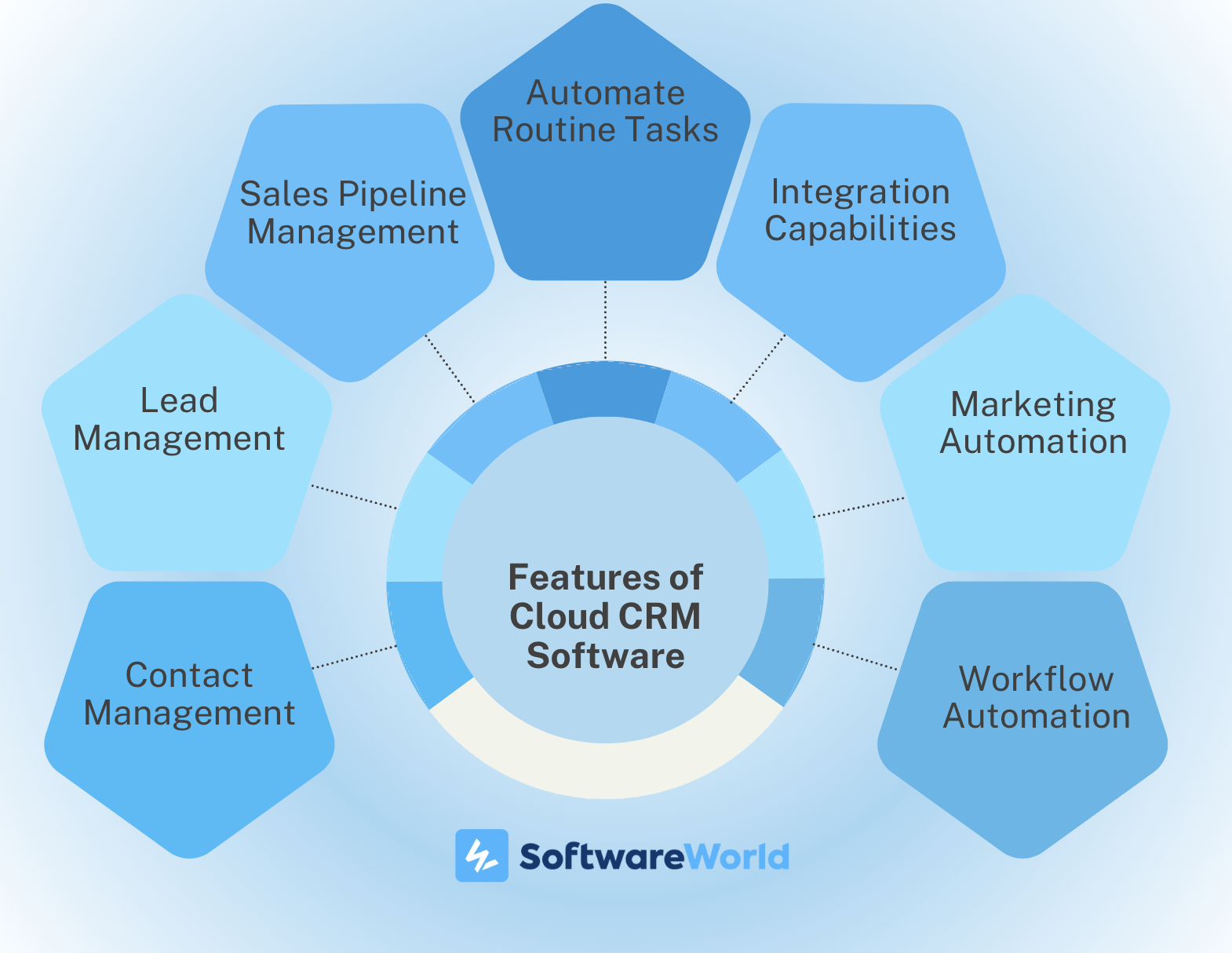
Welcome to the transformative world of cloud-based CRM platforms, where businesses are empowered with tools designed to enhance efficiency and elevate customer relationships. These platforms offer a suite of key features that redefine how companies interact with their customers.
Diving into cloud-based CRM platforms reveals a landscape rich with automation, seamless integration, and powerful analytics. Each feature is crafted to streamline operations, enhance productivity, and provide invaluable insights.
Automation, Integration, and Analytics
In the fast-paced business environment, automation is a game-changer. It minimizes repetitive tasks, allowing your team to focus on strategic initiatives. Meanwhile, integration ensures that your CRM platform works harmoniously with other business tools, creating a unified ecosystem. Analytics offers a deep dive into customer data, unveiling trends and patterns that drive informed decision-making.
| Feature Name | Description | Benefits | Potential Drawbacks |
|---|---|---|---|
| Automation | Automates routine tasks such as data entry and follow-up reminders. | Increases efficiency and reduces human error. | Over-reliance may lead to a lack of personal touch. |
| Integration | Seamlessly connects with other software systems. | Creates a unified system for better data flow and collaboration. | Initial setup may require technical expertise. |
| Analytics | Provides insights into customer behavior and market trends. | Enhances decision-making with data-driven insights. | Complex data may require skilled analysis. |
Importance of Mobile Accessibility and Real-Time Data Access
In today’s mobile-centric world, the ability to access CRM platforms on-the-go is crucial. Mobile accessibility ensures that your team can stay connected and responsive, no matter where they are. This connectivity is enhanced by real-time data access, which provides up-to-the-minute information, empowering your team to make swift and informed decisions.
A cloud-based CRM that offers mobile accessibility and real-time data access becomes an indispensable tool for driving business success.
Popular Cloud-Based CRM Platforms
In the bustling world of digital business solutions, cloud-based CRM platforms have carved out an essential niche. As companies strive to enhance customer relationships and streamline operations, the choice of CRM platform becomes crucial.
With numerous options available, selecting the right CRM can seem daunting. Below, we delve into the most popular cloud-based CRM platforms, exploring their unique features, pricing, and intended audiences to help you make an informed decision.
Leading CRM Solutions and Their Distinctive Features
In the competitive CRM landscape, a few platforms stand out due to their innovative features and user-centric designs. Salesforce, HubSpot, Zoho CRM, and Microsoft Dynamics 365 are among the leaders, each offering a unique set of advantages.
| Platform | Strengths | Weaknesses | Pricing | Target Audience |
|---|---|---|---|---|
| Salesforce | Highly customizable, robust integration options | Complex to set up, can be expensive | Starts at $25/user/month | Large enterprises, tech-savvy businesses |
| HubSpot | User-friendly interface, powerful marketing tools | Limited in-depth customization | Free tier available, paid plans start at $45/month | Small to mid-sized businesses, growth-focused teams |
| Zoho CRM | Comprehensive suite, competitive pricing | Limited third-party integrations | Starts at $12/user/month | Startups, budget-conscious businesses |
| Microsoft Dynamics 365 | Seamless Microsoft integration, AI capabilities | Can be overwhelming for new users | Starts at $65/user/month | Microsoft-centric companies, data-driven organizations |
Testimonials Highlighting User Experiences
Nothing speaks more about a CRM platform’s effectiveness than the words of satisfied users who have realized tangible benefits. Let’s hear from some of them:
“Since we started using HubSpot, our marketing and sales alignment has improved significantly, leading to a 30% increase in conversions!” — Marketing Manager, SMB
“Salesforce’s integration with our existing tools made transition seamless, and we’ve experienced a 20% boost in productivity.” — IT Director, Enterprise Company
Implementation Strategies for Businesses
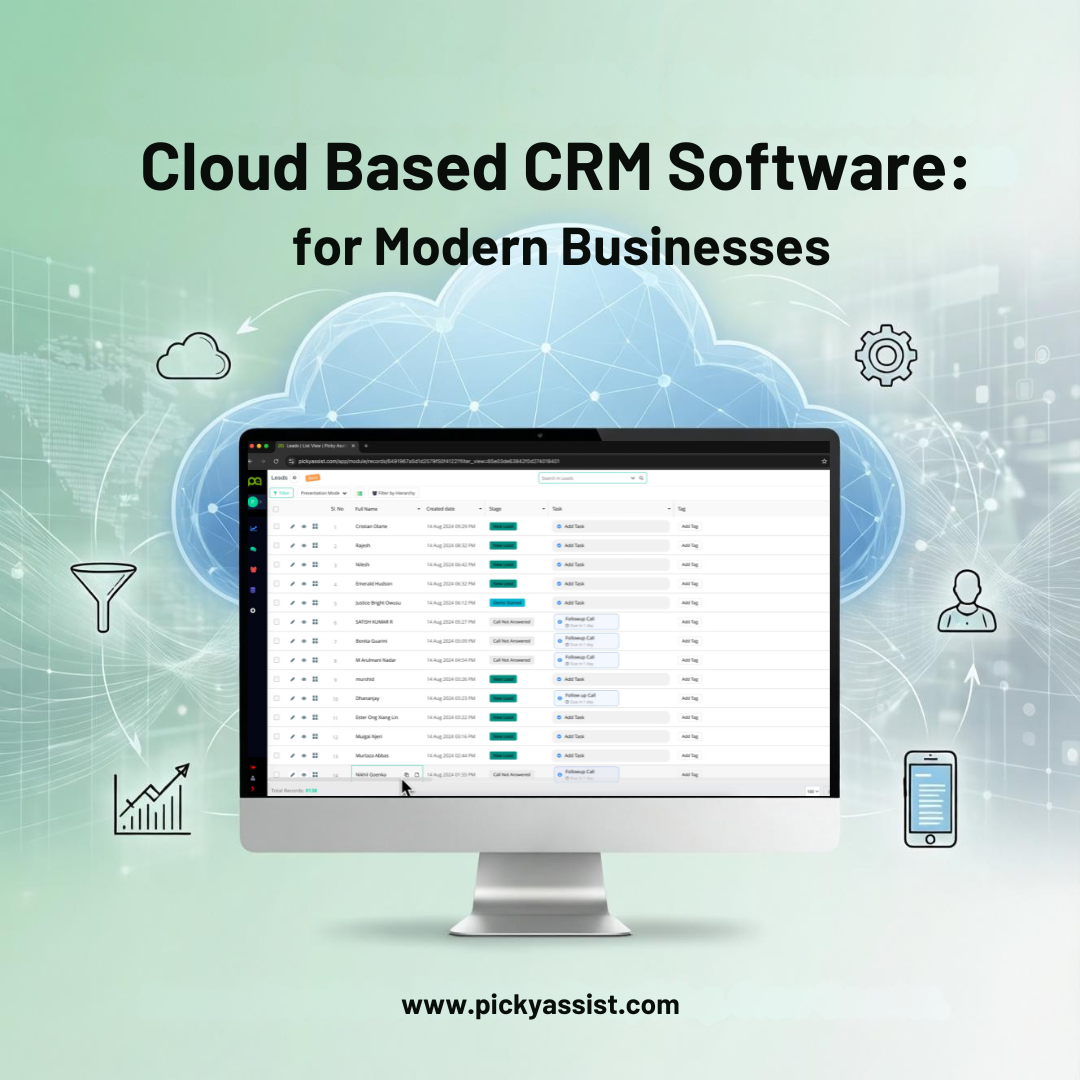
Embarking on the journey of implementing a cloud-based CRM platform can transform your business operations, but it requires careful planning and execution. To ensure a smooth transition, it’s essential to follow a structured strategy that addresses potential challenges head-on.
Understanding the core principles and best practices of CRM implementation can save your business from common pitfalls and set you up for long-term success. Let’s dive into the essential steps and strategies for a seamless implementation process.
Step-by-Step Guide to Implementing a Cloud-Based CRM
Begin your CRM journey with these guided steps to ensure a thorough and efficient implementation:
- Define Your Objectives: Clearly artikel what you hope to achieve with the CRM platform. This will help in selecting the right tools and functionalities.
- Select the Right CRM Solution: Choose a CRM that aligns with your business goals, scalability requirements, and budget.
- Design a Detailed Implementation Plan: Develop a roadmap that includes timelines, milestones, and resource allocation.
- Ensure Data Migration and Integration: Pay careful attention to migrating existing data accurately and integrating with other business systems.
- Train Your Team: Conduct comprehensive training sessions to familiarize your team with the CRM’s functionality and best practices.
- Test and Adjust: Run tests to ensure all components work seamlessly, and make necessary adjustments based on feedback.
- Monitor and Optimize: Continuously monitor CRM performance and seek opportunities for optimization and enhancement.
Overcoming Common Implementation Challenges
The path to successful CRM implementation may be fraught with challenges, but with the right approach, these obstacles can be effectively managed:
- Resistance to Change: To counteract hesitance, involve team members early in the process and highlight the benefits of the new system.
- Data Quality Issues: Perform thorough data cleansing and validation before migration to ensure accuracy and reliability.
- Lack of Expertise: Consider hiring external consultants or leveraging vendor support for guidance on complex technical aspects.
- Integration Complexities: Focus on standardizing processes and utilizing APIs for smooth integration with existing systems.
Implementation Timeline and Key Milestones
Understanding the timeline and milestones is crucial for keeping the project on track. Below is a table outlining the typical implementation phases:
| Phase | Duration | Key Milestones | Responsible Teams |
|---|---|---|---|
| Planning | 2-4 weeks | Goals setting, Vendor selection | Project Management, IT |
| Design | 3-6 weeks | Design approval, Data strategy | Business Analysts, IT |
| Implementation | 4-8 weeks | System setup, Data migration | IT, External Vendors |
| Testing | 2-3 weeks | User acceptance testing, Bug fixes | IT, End Users |
| Go-Live | 1 week | Launch, Initial support | IT, Support Team |
| Post-Implementation | Ongoing | Performance monitoring, Optimization | Project Management, IT |
Security Considerations in Cloud-Based CRM
In an era where data is the new gold, safeguarding your business and customer information in cloud-based CRM systems is paramount. Security isn’t just a feature; it’s the foundation of trust in digital interactions.
Securing cloud-based CRM platforms involves a multi-layered approach that includes robust data encryption, stringent user authentication, and comprehensive access controls. Each layer works in harmony to protect sensitive data from unauthorized access and potential breaches.
Ensuring Robust Data Encryption
Data encryption is the fortress that guards your information. It converts data into a coded format, ensuring that only authorized parties can access it. Cloud-based CRMs employ encryption both in transit and at rest, creating a double-layered shield against cyber threats.
Compliance Standards for Cloud-Based CRM
Adherence to industry compliance standards is non-negotiable when it comes to cloud-based CRM platforms. Standards such as GDPR, HIPAA, and SOC 2 ensure that your CRM provider maintains the highest level of data integrity and security. These standards not only protect customer data but also enhance your business’s credibility and trustworthiness.
Understanding User Authentication and Access Controls
User authentication verifies the identity of those accessing the CRM platform. It involves techniques like multi-factor authentication and single sign-on, which add layers of security beyond simple password protection. Meanwhile, access controls determine what users can view or edit within the system, preventing unauthorized data exposure.
| Security Measure | Description |
|---|---|
| Data Encryption | Secures data by converting it into an unreadable format for those without access privileges. |
| User Authentication | Ensures that users are who they claim to be, often through multiple verification methods. |
| Access Controls | Limits data access based on user roles and permissions, preventing unauthorized usage. |
“Security is not a product, but a process.” – Bruce Schneier
Future Trends in Cloud-Based CRM Technology
The world of cloud-based CRM is on the brink of transformation, driven by technological advances and evolving business needs. Let’s explore the key trends poised to reshape this dynamic landscape.
In the era of digital transformation, businesses are leveraging cutting-edge technologies to enhance customer engagement and operational efficiency. Cloud-based CRM platforms are no exception, with emerging technologies paving new pathways for innovation and growth.
Revolutionary Impact of Artificial Intelligence and Machine Learning
AI and machine learning are set to redefine the capabilities of CRM systems, offering more than just data management. These sophisticated technologies enable predictive analytics, allowing businesses to anticipate customer needs and tailor services accordingly. Imagine a CRM that not only stores client information but also provides insights into future customer preferences, boosting sales and enhancing customer satisfaction.
AI-driven chatbots are another game-changer, offering real-time customer support that enhances user experience. As these intelligent bots evolve, their ability to handle complex queries with minimal human intervention grows, leading to significant cost savings and efficiency improvements.
Integration and Interoperability Across Diverse Systems
In the future, cloud-based CRM platforms will emphasize seamless integration with other enterprise systems to create a unified digital ecosystem. This integration means businesses can enjoy a holistic view of customer interactions, streamlining processes and enhancing decision-making. The challenge lies in ensuring that these integrations remain secure and scalable as organizations grow.
As organizations prepare for these advancements, it is crucial to invest in platforms that offer flexibility and scalability. Staying informed about emerging trends and fostering a culture of continuous learning will be key to leveraging these technological innovations effectively.
“The future of CRM is not just about managing relationships; it’s about intelligent, proactive engagement through technological synergy.”
Final Thoughts
The future of business lies in leveraging technology that not only supports but also propels growth and innovation. By embracing cloud-based CRM platforms, you are setting your business up for success in an increasingly digital world. Don’t let your competitors outpace you; take the leap into cloud-based CRM and watch your business soar.