Imagine a world where managing business leads is as seamless as sipping your morning coffee. Welcome to the realm of CRM tools for lead management, where potential customers transform into long-lasting relationships with just a few clicks. As businesses strive for growth, understanding and leveraging these powerful tools can be the secret ingredient to success.
In today’s fast-paced market, adapting to change is no longer a choice but a necessity. CRM tools have evolved over the years, emerging as the unsung heroes of lead management. They not only streamline processes but also provide invaluable insights that can propel your business to new heights. Dive into this captivating journey and discover how CRM tools can be your best ally in transforming leads into loyal customers.
Overview of CRM Tools for Lead Management
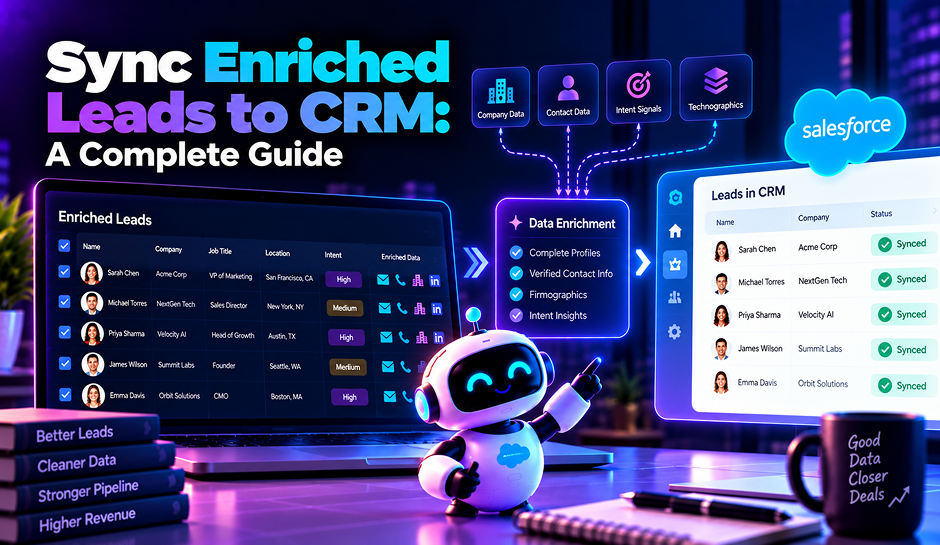
CRM tools have revolutionized the way businesses handle their leads. Designed to streamline and optimize the sales process, these tools integrate various functions to ensure that every potential customer is given the attention they deserve.
Over the years, CRM tools have evolved from simple contact databases to sophisticated platforms that offer a wide array of features. Understanding the primary functions and advantages of these tools is crucial for any business looking to enhance its lead management process.
The Evolution and Functionality of CRM Tools
Initially, CRM tools were basic systems to store customer contact details, but today, they have transformed into dynamic platforms that facilitate comprehensive customer relationship management. Modern CRM tools not only track customer interactions but also analyze data to provide actionable insights. They enable businesses to automate repetitive tasks, ensuring that sales teams can focus on nurturing and converting leads effectively.
Benefits of Using CRM Tools for Managing Leads
Implementing CRM tools in lead management offers numerous benefits. These tools provide a centralized database, ensuring that all team members have access to up-to-date client information. This improves communication, enhances customer satisfaction, and ultimately increases sales. Furthermore, CRM tools offer automation capabilities, reducing manual work and minimizing the risk of errors.
Common Features in CRM Tools for Lead Management
Most CRM tools in the market today boast a variety of features tailored to enhance lead management efficiency. These features include:
- Lead Tracking: Monitors the lifecycle of leads from initial contact to conversion.
- Contact Management: Stores detailed information about each lead, including communication history and preferences.
- Automation: Automates routine tasks such as follow-up emails and reminders.
- Analytics and Reporting: Provides insights into lead behavior and sales performance.
The right CRM tool can transform lead management from a cumbersome task into a seamless operation.
Key Components of Effective CRM Tools
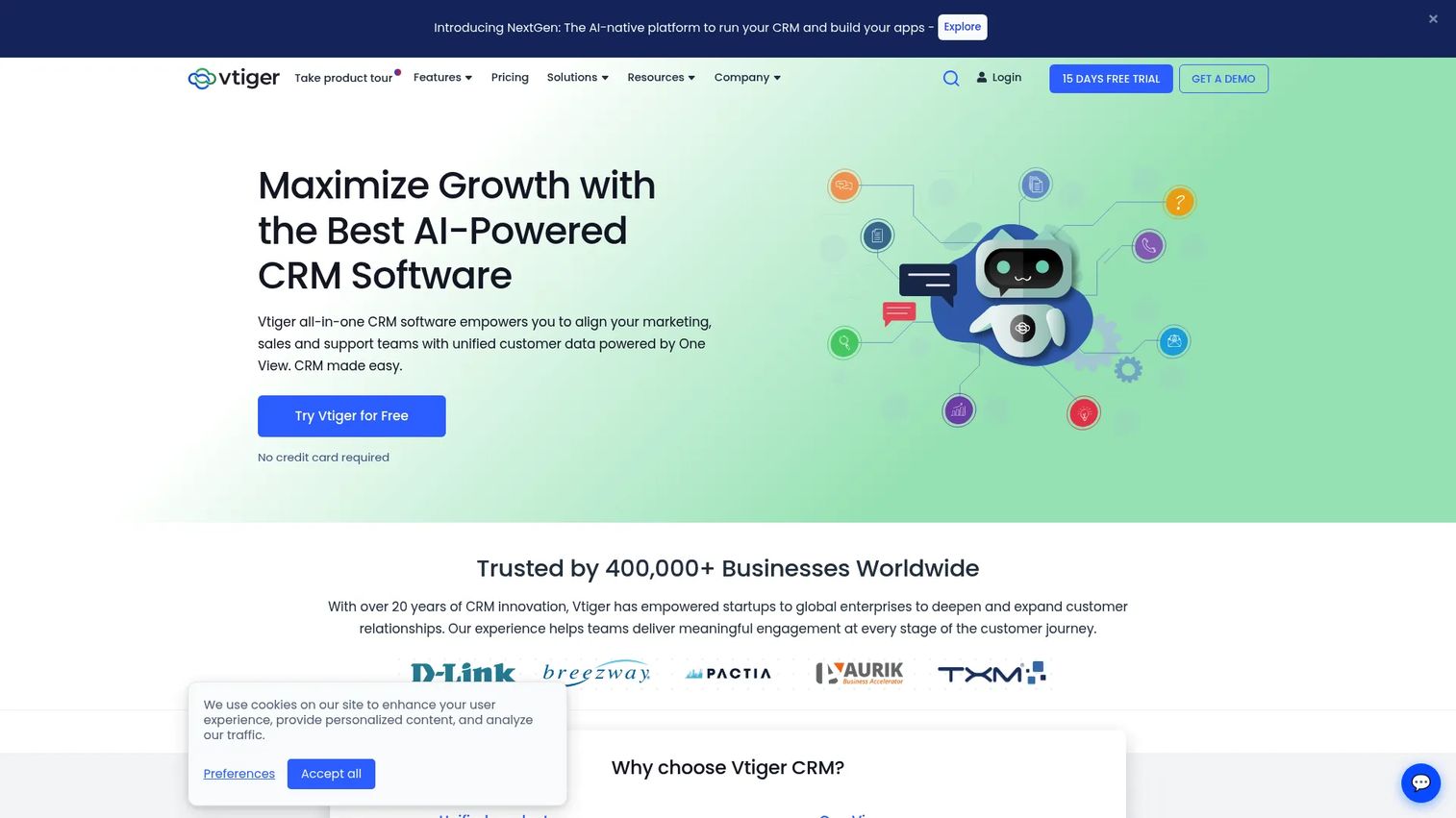
In the vibrant world of customer relationship management, the right tools can transform how businesses handle their leads. Effective CRM tools are more than just data repositories; they’re dynamic systems that power lead management.
These tools have evolved into comprehensive platforms, each with a unique set of features designed to streamline the lead management process, boost productivity, and enhance customer engagement. Let’s delve into the key components that make CRM tools indispensable for any business looking to optimize their lead management strategy.
Essential Features for Lead Management
At the heart of effective CRM tools are features specifically designed to manage leads with precision and ease. These include lead scoring, which helps prioritize leads based on their potential value and likelihood to convert. Additionally, contact management enables businesses to organize and track interactions with leads, ensuring that no opportunity slips through the cracks. Advanced reporting and analytics provide actionable insights into lead behaviors and trends, empowering businesses to make data-driven decisions.
The Role of Automation in CRM Tools
Automation is a game-changer in the realm of CRM tools, transforming how businesses manage their leads. By automating repetitive tasks such as email follow-ups, lead nurturing, and data entry, CRM tools free up valuable time for teams to focus on more strategic activities. This does not only improve efficiency but also enhances the overall customer experience by ensuring timely and personalized communications.
Automation is not just a feature; it’s the engine that powers lead management efficiency.
Importance of Integration Capabilities
In today’s interconnected business environment, a CRM system’s ability to integrate with other tools is crucial. Integration capabilities allow CRM tools to seamlessly connect with marketing automation platforms, sales pipelines, and communication tools, creating a unified view of each customer. This interconnectedness enables businesses to streamline processes, improve data accuracy, and enhance team collaboration, leading to a more cohesive lead management strategy.
To better illustrate the diversity of CRM tools available, let’s organize some examples:
| CRM Tool | Key Features | Best For |
|---|---|---|
| Salesforce | Advanced analytics, customizable dashboards, AI-driven insights | Large enterprises |
| HubSpot | Email tracking, lead scoring, seamless integration | Small to medium businesses |
| Zoho CRM | Omnichannel communication, automation, scalability | Growing businesses |
| Pipedrive | Visual sales pipeline, activity reminders, easy to use | Sales-focused teams |
Comparison of Popular CRM Tools for Lead Management
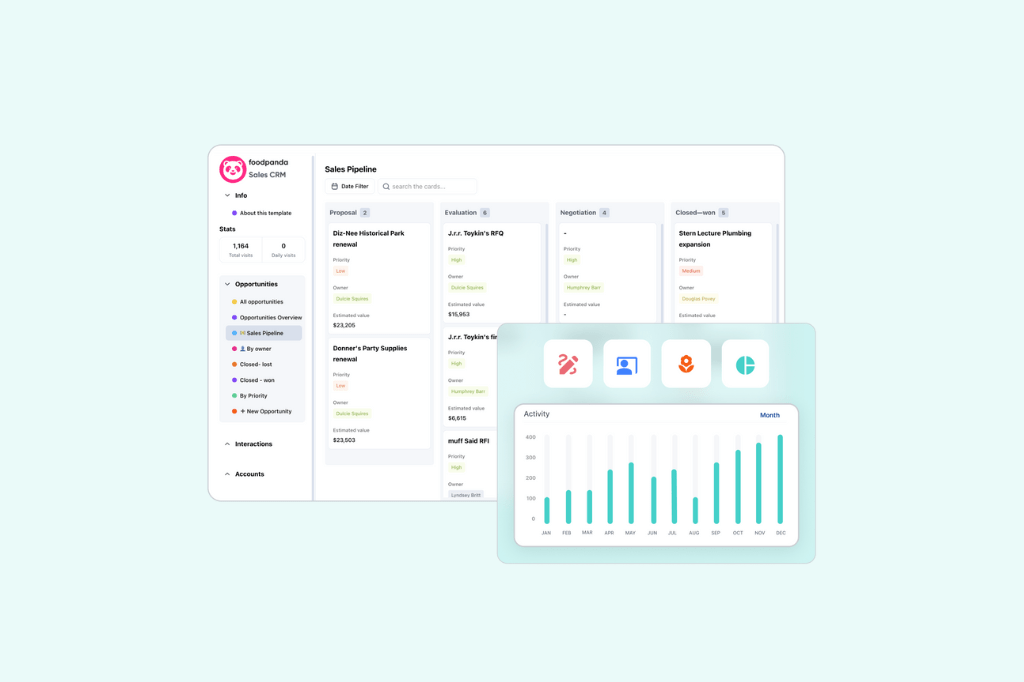
Delving into the diverse landscape of CRM tools for lead management, we find a plethora of options tailored to meet various business needs. Here, we embark on a journey to compare these tools based on performance, scalability, and more to find the perfect fit for your business.
Each CRM tool promises to streamline processes and enhance efficiency, but how do they truly stack up against one another? By dissecting their features, pricing, and scalability, we aim to provide a clear picture of what each tool offers, allowing businesses to make informed decisions.
Key Performance Indicators and Business Suitability
When evaluating CRM tools, key performance indicators (KPIs) such as lead conversion rate, customer retention rate, and user adoption rate are crucial. These metrics help businesses gauge the tool’s effectiveness in managing leads.
- Lead Conversion Rate: Measures the percentage of leads that become customers.
- Customer Retention Rate: Indicates how well a CRM tool helps in maintaining existing customer relationships.
- User Adoption Rate: Reflects how easily employees can adapt to the CRM tool.
CRM Tools for Different Business Sizes
Not every CRM is one-size-fits-all. Different businesses—small, medium, or large—require tools that align with their unique needs. Let’s explore how various CRM solutions cater to businesses of varying scales.
- Small Businesses: Typically need cost-effective and easy-to-use solutions with essential functionalities like contact management and email marketing.
- Medium Businesses: Often require more robust features such as sales automation and integration capabilities.
- Large Enterprises: Demand highly scalable CRM solutions with advanced analytics and extensive customization options.
Features, Pricing, and Scalability Comparison Table
To provide a comprehensive view, here’s a comparison table highlighting the features, pricing, and scalability of popular CRM tools.
| CRM Tool | Features | Pricing | Scalability |
|---|---|---|---|
| Tool A | Basic Contact Management, Email Integration | Starting at $20/month | Small to Medium |
| Tool B | Sales Automation, Advanced Analytics | Starting at $50/month | Medium to Large |
| Tool C | Custom Reporting, Multi-level User Access | Starting at $100/month | Large Enterprises |
User-Friendliness Insights
Ease of use is paramount when selecting a CRM tool. A user-friendly interface ensures higher adoption rates and smoother transitions. Here’s how some popular tools fare:
“Tool A is lauded for its intuitive design, making it ideal for new users.”
While Tool B offers comprehensive training modules, Tool C provides an intuitive dashboard, ensuring users can access vital information quickly. Finding a balance between functionality and simplicity is key.
Best Practices for Using CRM Tools in Lead Management

In the dynamic world of lead management, leveraging CRM tools can be a game-changer for any business. By following best practices, you can turn your CRM system into an engine of efficiency and success.
Implementing effective strategies with CRM tools involves more than just installation. It requires finesse, understanding, and a commitment to continuous improvement.
Optimizing CRM Tools to Enhance Lead Management
Maximize the potential of your CRM system by tailoring it to suit your business needs. Start by mapping out your lead management process and configuring the CRM to mirror these workflows. This alignment ensures that the tool supports every step, from lead capture to conversion.
Utilize automation features to streamline repetitive tasks, such as sending follow-up emails or scheduling appointments. This not only saves time but also ensures consistency in communication. Another powerful strategy is to integrate your CRM with other business tools—such as email marketing platforms and social media channels—to create a seamless data flow and provide a 360-degree view of each lead.
The Importance of Data Quality and Maintenance
Your CRM is only as powerful as the data it contains. Maintaining high-quality data is imperative for accurate lead scoring and targeted marketing efforts. Introduce regular data audits to identify and rectify any inaccuracies, duplicates, or obsolete entries.
- Establish clear data entry guidelines to ensure consistency across the board.
- Implement automated alerts for data anomalies, guiding your team to potential issues.
- Leverage data enrichment tools to enhance the information attached to each lead, ensuring that your team has access to the most comprehensive datasets possible.
Training Staff to Effectively Use CRM Tools
The success of your CRM system hinges on how well your team can use it. Begin with comprehensive training sessions that not only cover the basics but also dive into advanced features that can elevate lead management strategies.
- Organize regular workshops and refreshers to keep everyone up-to-date with the latest CRM features.
- Encourage a culture of collaboration where team members share insights and best practices.
- Utilize gamification techniques to motivate staff to explore and master new CRM functionalities.
Procedures for Regularly Updating and Upgrading CRM Tools
To stay ahead in the competitive landscape, it is essential to keep your CRM system updated. Regular updates ensure that your tool remains aligned with the latest technological advancements and security protocols.
Establish a routine update schedule to prevent any disruptions in workflow. When upgrading, involve your team in the decision-making process to ensure that new features meet their needs and improve their efficiency.
Routine updates are the backbone of a resilient CRM system.
Challenges in Implementing CRM Tools for Lead Management
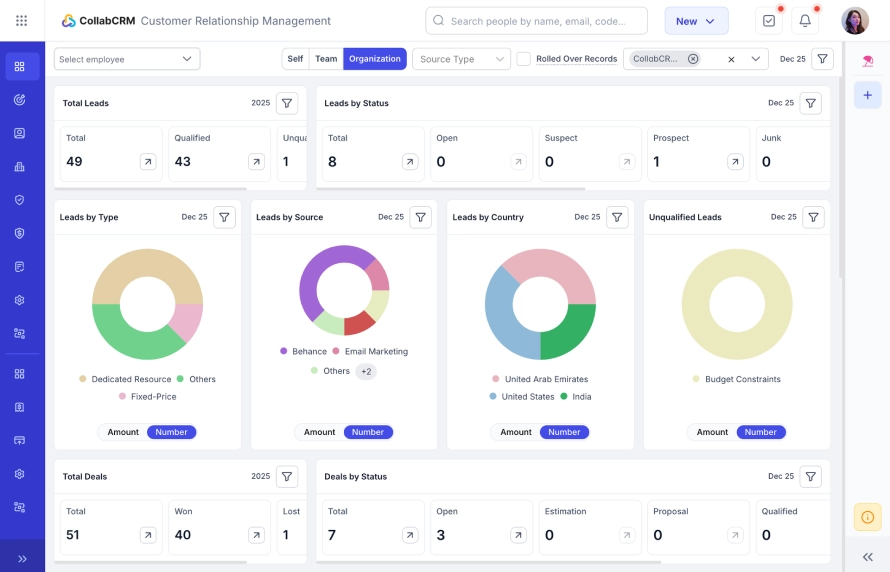
Implementing CRM tools for lead management can be a transformative move for businesses, but it’s not without its hurdles. The journey from selection to successful integration involves overcoming various challenges that can impact the effectiveness of the tools.
Understanding the common obstacles businesses face can help in devising strategies to navigate the complexities of CRM tool implementation, ensuring a smoother transition and a more robust lead management system.
Common Challenges in CRM Tool Integration
Many businesses encounter significant difficulties during the integration of CRM tools with their existing systems. These challenges range from data migration issues to user adoption concerns. Data migration often involves transferring vast amounts of information from legacy systems to the new CRM platform, which can lead to data loss or corruption if not handled carefully. Additionally, user adoption can be an uphill battle, as employees may resist change or struggle to adapt to new technologies.
Solutions to Overcome Implementation Challenges
To tackle these integration challenges, businesses can adopt a strategic approach. Start with a comprehensive training program to familiarize employees with the new system, increasing their comfort level and buy-in. Implement a phased rollout, allowing departments to adapt gradually. Address data migration by conducting thorough data audits and utilizing reliable data cleansing processes.
“Successful CRM implementation requires patience, careful planning, and active communication.”
Impact of Poor CRM Tool Integration on Lead Management
Poorly integrated CRM tools can severely disrupt lead management processes. Inefficient systems can lead to miscommunication, delayed responses, and lost opportunities. The ripple effect of such disruptions can be damaging, affecting customer satisfaction and the company’s bottom line.
Examples of CRM Tool Failures and Recovery Strategies
Instances of CRM tool failures often stem from inadequate preparation and testing. For instance, a company might implement a CRM tool without a proper data backup strategy, leading to significant data loss during migration. Recovery strategies include leveraging cloud-based solutions for real-time backups and establishing a dedicated team to monitor system performance and address issues promptly.
Future Trends in CRM Tools for Lead Management
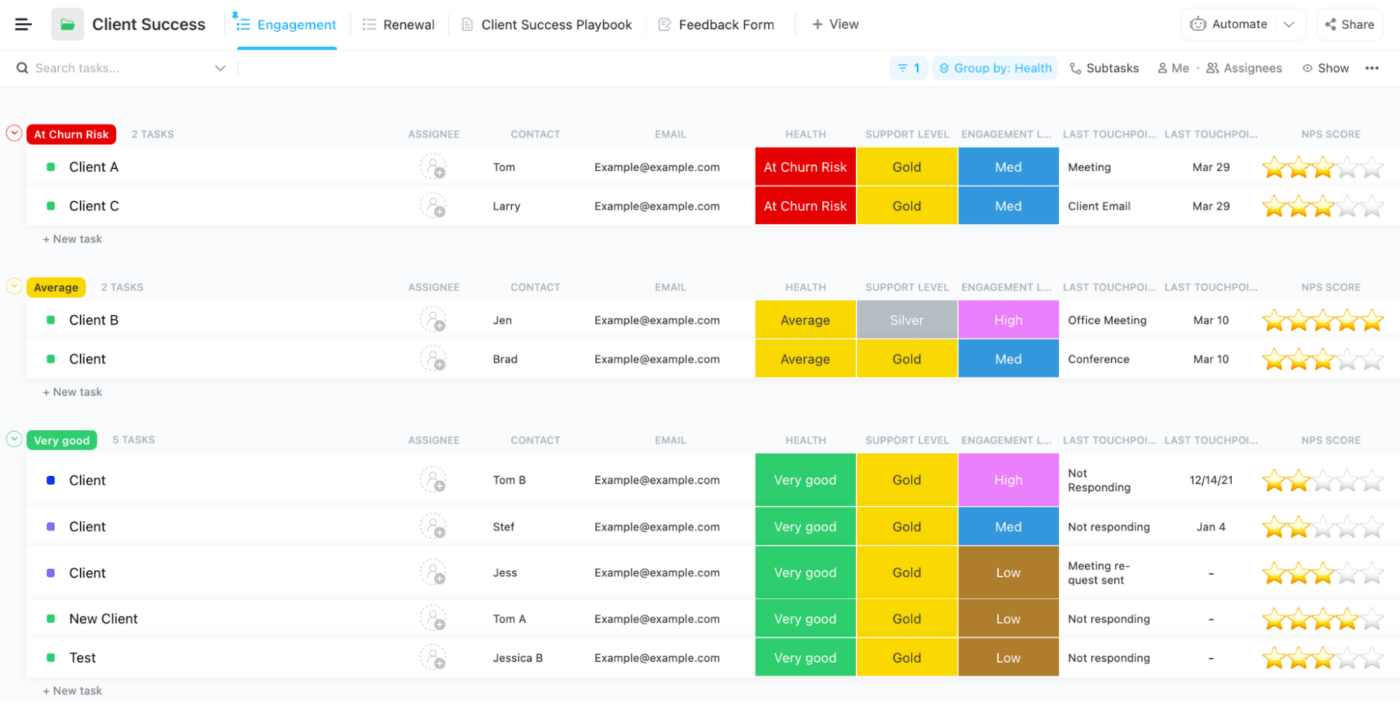
The world of CRM tools for lead management is on the brink of a technological revolution. With the advent of new technologies, businesses are poised to experience unprecedented efficiency and customization in their customer relationship strategies.
As we look ahead, it’s evident that CRM systems will become more than just a tool—they will be a pivotal component in the strategic decision-making process, driven by data and enhanced by next-gen technologies.
Emerging Technologies Revolutionizing CRM Tools
The integration of Artificial Intelligence (AI) and Machine Learning (ML) is creating a seismic shift in the functionalities of CRM tools. These technologies are enabling systems to not only process data faster but also predict customer behaviors and preferences with remarkable accuracy.
- AI-driven analytics for deeper insights into lead behaviors.
- Automated lead scoring, identifying high-potential leads with precision.
- Chatbots and virtual assistants providing 24/7 customer interaction.
These innovations are setting the stage for a more intuitive, responsive, and personalized CRM experience that aligns closely with the evolving needs of businesses.
AI and Machine Learning: Shaping the Future of CRM Systems
AI and ML are not just buzzwords; they are the backbone of the next-generation CRM systems. Imagine a CRM that learns and adapts to your business dynamics—this is not a distant dream but an emerging reality.
Predictive analytics will empower businesses to foresee market trends and adjust strategies proactively. Moreover, machine learning algorithms will continuously refine lead management processes, ensuring that efforts are focused on the most promising prospects.
With AI and ML, the future of CRM is not reactive but proactive, not static but dynamic.
Future Feature Expectations in CRM Tools
As technology evolves, so do user expectations. The CRM tools of tomorrow are expected to offer features that were once considered futuristic. Businesses can anticipate:
- Enhanced integration capabilities with other business apps for a seamless experience.
- Real-time data processing and reporting for instant decision-making.
- Increased focus on mobile CRM solutions, ensuring accessibility on the go.
These features are set to redefine how businesses manage their leads, pushing the boundaries of what’s possible in customer relationship management.
Predictions on the Evolution of CRM Tools Over the Next Decade
Looking into the future, CRM tools are poised to become more sophisticated yet user-friendly, with a strong emphasis on customization and predictive accuracy. The next decade will likely see:
- CRM systems becoming central to all business operations, beyond just sales and marketing.
- Further development of omni-channel CRM tools that provide a unified customer interaction experience across all platforms.
- Increased use of blockchain technology to ensure data security and integrity.
These advancements will not only enhance lead management but also revolutionize how businesses engage with their customers, fostering stronger, more meaningful relationships.
Final Summary

As we navigate the ever-evolving landscape of business, CRM tools remain a steadfast companion in the journey of lead management. By embracing these tools, businesses can break free from chaos and embrace a world where efficiency meets creativity. Remember, the key to successful lead management lies not just in the tools you use, but in how you use them. Empower your team, harness technology, and unlock the potential of CRM tools to redefine your business’s future.