Imagine a world where small enterprises can compete toe-to-toe with the giants of their industry, all by harnessing the power of an open source CRM. Welcome to a realm where creativity meets technology, offering small businesses the tools they need to thrive in a competitive market. Open source CRM platforms are not just tools; they are catalysts for transformation, enabling small enterprises to streamline operations, enhance customer relationships, and scale effortlessly.
In a market filled with myriad choices, open source CRM solutions stand out as beacons of flexibility and innovation. They offer the unique advantage of customization, allowing businesses to tailor their CRM systems precisely to their needs. With cost-effectiveness, adaptability, and a vibrant community of support, open source CRM is more than just an option—it’s the future for small enterprises looking to make a significant impact.
Features of Open Source CRM for Small Enterprises

In the dynamic landscape of small enterprises, maintaining and nurturing customer relationships is pivotal. Open source CRM systems offer a treasure trove of features tailored to elevate this experience.
These platforms provide tools that not only streamline operations but also empower businesses to engage more effectively with their clientele. From tracking interactions to automating marketing processes, open source CRMs are a game-changer.
Core Features of Open Source CRM Platforms
Open source CRMs are designed with a plethora of functionalities that cater to the multifaceted needs of small enterprises. Contact management is essential, offering a centralized database where businesses can store detailed customer profiles and interaction history. This facilitates personalized communication and enhances customer satisfaction.
Another pivotal feature is sales automation. This streamlines the sales process by automating routine tasks like follow-up emails and lead scoring, allowing sales teams to focus on closing deals. Additionally, reporting and analytics enable businesses to gain insights into customer behavior and sales trends, driving informed decision-making.
Customization in Open Source CRM Solutions
One of the standout advantages of open source CRMs is their customizability. Unlike proprietary software, these platforms allow businesses to tailor features and interfaces to their specific needs. A small enterprise can modify modules, add new functionalities, or integrate third-party tools to create a unique system that aligns perfectly with their workflow.
“The ability to customize ensures that the CRM evolves with the business, accommodating growth and changing demands.”
This level of flexibility is invaluable, particularly for small businesses that often operate with unique processes and goals.
Scalability for Growing Enterprises
As small enterprises aspire to grow, scalability becomes a crucial consideration. Open source CRMs are equipped with features that support this growth. For instance, they often come with modular architectures, allowing businesses to add or remove functionalities as needed.
- Integration with existing systems
- Support for increasing data volume
- Affordable pricing models
These features ensure that as the business expands, the CRM can handle a larger customer base and higher interaction volumes without compromising performance.
Benefits of Using Open Source CRM for Small Enterprises

Unlocking the potential of customer relationships can be a game-changer for small enterprises. Open source CRM systems offer a treasure trove of benefits that cater specifically to the needs of these businesses.
These systems are not just functional, but they also bring numerous advantages that help streamline operations, all while keeping costs in check. Discover the myriad of benefits that open source CRM can offer your enterprise.
Cost-Effectiveness and Financial Efficiency
When it comes to cost-effectiveness, open source CRM systems rise to the occasion by eliminating hefty licensing fees associated with proprietary solutions. Small enterprises can save significant resources, redirecting funds towards growth initiatives rather than software expenses.
Enhancing Customer Relationship Management
Open source CRM systems empower small businesses to enhance their customer relationship strategies. With customizable tools, these systems facilitate better customer understanding, allowing enterprises to tailor their engagement tactics to boost customer loyalty and satisfaction.
Flexibility and Adaptability
One of the standout features of open source CRM is its impressive flexibility and adaptability. Unlike rigid proprietary systems, open source solutions can be tailored to fit unique business needs, ensuring that the CRM grows and evolves with the company.
Embrace the freedom to customize your CRM environment, adding or removing features as your enterprise scales. This flexibility ensures that your CRM remains a perfect fit, no matter how complex your operations become.
Comparison of Open Source CRM vs. Traditional CRM
Let’s examine how open source CRM solutions stack up against traditional CRM systems:
| Aspect | Open Source CRM | Traditional CRM |
|---|---|---|
| Cost | Minimal to no licensing fees | Costly licensing and renewal fees |
| Customization | High level of customization | Limited customization options |
| Scalability | Highly scalable with business growth | Often requires tier upgrades |
| Community Support | Strong community backing | Vendor-specific support |
“Flexibility and cost-efficiency make open source CRM a compelling choice for small enterprises looking to optimize customer interactions.”
Popular Open Source CRM Options for Small Enterprises
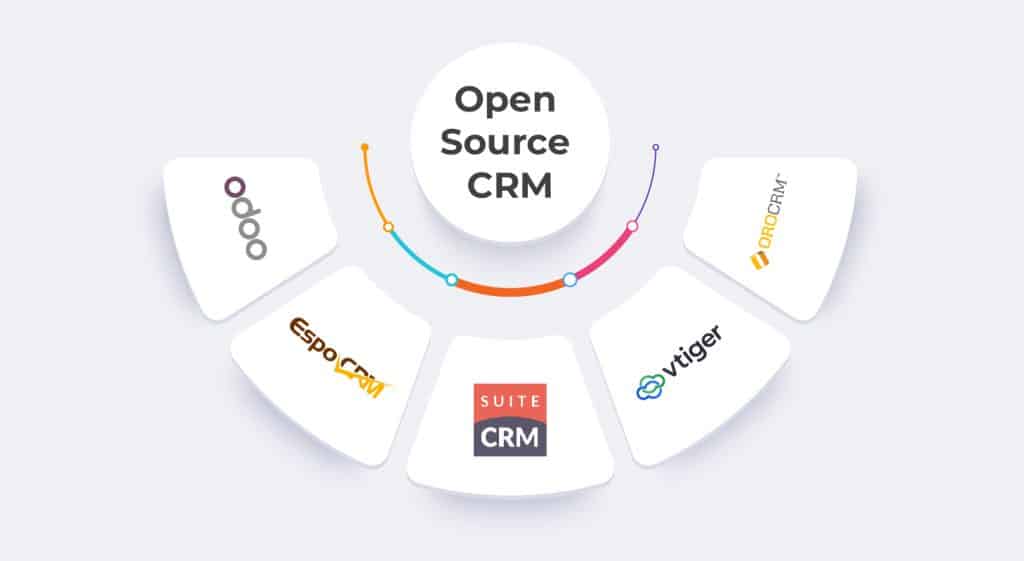
In the vast world of customer relationship management, open source CRM solutions have emerged as frontrunners for small enterprises seeking customizable and cost-effective options. These platforms don’t just manage customer interactions; they empower small businesses with tools that scale as they grow.
Let’s delve into some of the most popular open source CRM options that are tailored for small enterprises, offering flexibility, a supportive community, and a feature set that rivals their proprietary counterparts.
Leading Open Source CRM Platforms
Choosing the right CRM can revolutionize your business processes. Here are some of the top open source CRM platforms that have made a significant impact on small enterprises:
| CRM Platform | Key Features | Pros | Cons |
|---|---|---|---|
| SuiteCRM | Customizable dashboards, marketing automation, sales forecasting | Robust community support, highly customizable | Steeper learning curve for beginners |
| Odoo | Sales and CRM modules, seamless integration with other Odoo apps | Modular design, easy integration with various business functions | Can be resource-intensive |
| Vtiger | Contact management, email marketing, project management features | User-friendly interface, excellent for collaboration | Limited customization options without technical know-how |
Community Support and Engagement
One of the standout features of open source CRMs is their active community support. Platforms like SuiteCRM and Odoo boast dedicated forums, extensive documentation, and frequent updates driven by a passionate user base. This community-driven approach ensures that users have access to a wealth of resources and expertise.
“Community support is not just about solving problems; it’s about building a network of shared growth and innovation.”
Usability and Learning Curve for Teams
When it comes to ease of use, small enterprise teams often seek solutions that require minimal training but deliver maximum impact. Vtiger tends to be more intuitive for teams new to CRM systems, with its straightforward interface and guided setup process. Conversely, while SuiteCRM and Odoo offer more complex functionalities, they may require additional time for teams to become proficient, particularly if customization is involved.
Ultimately, the choice of CRM should align with your team’s capabilities and the specific needs of your enterprise. Consider starting with a CRM that balances ease of use with essential features and scales as your business evolves.
Implementation Strategies for Open Source CRM in Small Enterprises

Implementing an open source CRM in a small enterprise is like planting a seed that will grow into a thriving tree of productivity and customer satisfaction. This process requires strategic planning, thoughtful execution, and meticulous customization to ensure that the CRM truly meets the unique needs of your business.
By embracing open source CRM solutions, small enterprises can unlock a world of flexibility and scalability. The journey to successful implementation involves several key steps that can transform your business operations and elevate your customer relationships to new heights.
Structured Process for Implementing Open Source CRM
The journey begins with a well-defined implementation plan that serves as a roadmap for introducing the CRM into your business environment. Clarity and organization are crucial at this stage to ensure a smooth transition.
- Assess your current business processes to identify areas where the CRM can add value.
- Select a CRM platform that aligns with your business goals and technological capabilities.
- Create an implementation timeline that artikels key milestones and deadlines.
- Assemble a dedicated implementation team to oversee the process and address any challenges that arise.
Steps for Data Migration to an Open Source CRM System
Data migration is a pivotal step in the CRM implementation process, demanding precision and attention to detail. Ensuring accurate data transfer is essential for maintaining the integrity of your customer information.
- Data Audit: Conduct a thorough audit of existing data to identify duplicates and inconsistencies.
- Data Cleansing: Cleanse the data to eliminate errors and standardize formats.
- Migration Mapping: Map out the data fields from your current system to the new CRM.
- Test Migration: Perform a test migration to identify any potential issues before full-scale transfer.
- Full Migration: Execute the full data migration, ensuring all data is correctly transferred.
Methods for Training Employees on the New CRM Platform
Effective training equips your team with the skills and confidence needed to leverage the full potential of the new CRM platform. Empowering your employees is a critical factor for successful adoption.
- Organize interactive training sessions that engage staff and encourage participation.
- Develop user-friendly manuals and video tutorials for self-paced learning.
- Appoint a CRM champion in each department to provide ongoing support and guidance.
- Implement regular feedback loops to address concerns and improve the training process.
Best Practices for Customizing CRM Features to Fit Specific Business Needs
Customization is the secret ingredient that tailors the CRM experience to your enterprise’s unique flavor. By aligning CRM features with your business needs, you create a tool that feels like it was built just for you.
“The best CRM is one that bends to your business, not the other way around.”
- Identify Core Features: Determine which features are essential for your operations and prioritize their customization.
- Leverage Integrations: Utilize integrations to connect the CRM with other tools your business uses.
- Tailor User Interfaces: Customize dashboards and interfaces to enhance user experience and streamline workflows.
- Iterative Improvements: Continuously refine and adapt CRM settings based on user feedback and evolving business needs.
Challenges and Solutions in Adopting Open Source CRM
Embracing open source CRM can be a game-changer for small enterprises, yet it’s not without its hurdles. Recognizing and addressing these challenges is pivotal for a seamless transition.
Open source CRM solutions, while flexible and cost-effective, often come with their own set of challenges. From technical know-how to data security, businesses must navigate these waters carefully. Fortunately, with the right strategies and resources, these challenges can be transformed into stepping stones for success.
Identifying Common Challenges
Small enterprises often face a series of hurdles when integrating open source CRM into their operations. These can range from limited IT expertise to data migration issues. Each obstacle requires a tailored approach to ensure the successful adoption of the CRM system.
- Initial Setup Complexities
- Customization and Scalability
- Ongoing Maintenance and Updates
- Security and Data Privacy Concerns
Effective Solutions to Overcome Technical Barriers
Navigating these challenges requires strategic planning and resource allocation. Ensuring your team has thorough training and access to technical support can significantly mitigate these issues.
| Challenge | Solution |
|---|---|
| Lack of IT Expertise | Engage an experienced consultant or conduct targeted training sessions. |
| Data Migration Issues | Utilize specialized data migration tools or services. |
| Customization Difficulties | Leverage community forums and contributory plugins to tailor the CRM. |
| Security Concerns | Implement robust security protocols and regular audits. |
The Role of Technical Support and Community Forums
One of the greatest assets in overcoming challenges with open source CRM is the wealth of knowledge available through community forums and technical support. These platforms offer invaluable insights and solutions, often shared by those who have already walked the path you are on.
“Tapping into the collective wisdom of the community can transform obstacles into opportunities.”
From troubleshooting to innovative customization tips, technical support and community forums are instrumental in resolving issues and advancing your CRM capabilities. Engaging actively with these resources not only resolves current challenges but also prepares your enterprise for future CRM innovations.
Future Trends in Open Source CRM for Small Enterprises

As technology blazes forward, the landscape of open source CRM for small enterprises is evolving at a breathtaking pace. This evolution promises to unlock unprecedented opportunities for efficiency and growth.
In this exploration, we delve into the forthcoming trends that are poised to redefine how small businesses manage customer relationships, including the integration of cutting-edge artificial intelligence and machine learning capabilities.
Enhancing CRM with Artificial Intelligence and Machine Learning
The integration of AI and machine learning into open source CRM systems is not just a possibility—it’s a growing reality that offers remarkable enhancements. These technologies enable systems to learn from data, anticipate customer needs, and deliver personalized experiences at scale.
For small enterprises, this means automated processes, smarter insights, and improved decision-making that were once the exclusive domain of larger corporations. Imagine a CRM that can predict customer churn, suggest optimal engagement strategies, and even automate customer service interactions—all tailored to the unique dynamics of a smaller operation.
“The future belongs to those who prepare for it today.” – Malcolm X
Emerging Technology Trends in Open Source CRM
As we peer into the horizon, several key technological trends are emerging that promise to revolutionize open source CRM systems:
- Blockchain Integration: Offering secure, transparent, and tamper-proof data management.
- Enhanced Data Privacy Measures: With growing concerns over data security, open source CRM systems are increasingly embedding robust privacy protocols.
- Mobile-First Interfaces: Making CRM systems accessible anywhere, anytime, especially for businesses on the go.
These trends highlight a move towards more adaptable, secure, and accessible CRM solutions that cater specifically to the nuanced needs of small enterprises.
Predicting the Evolution of Open Source CRM
The trajectory of open source CRM is exciting and full of promise. In the coming years, we can expect:
| Trend | Impact |
|---|---|
| AI-Driven Automation | Reduced operational costs and enhanced customer interaction quality. |
| Seamless Integration Capabilities | Streamlined operations with other business tools, offering a holistic view of business processes. |
| Increased Customization | High adaptability to specific business needs, fostering unique enterprise growth paths. |
These advancements promise to usher in a new era of customer relationship management for small enterprises, making cutting-edge technology not a luxury but a standard.
Conclusion

In conclusion, open source CRM for small enterprises is not merely a trend; it’s a revolution in how businesses manage their customer relationships and drive growth. As technology evolves, so too will the capabilities of these CRM systems, offering unprecedented opportunities for small businesses to compete and succeed. Now is the time to embrace this change, harness the power of open source technology, and propel your enterprise into a future of limitless possibilities.