Imagine a world where nonprofit organizations can effortlessly connect with donors, streamline operations, and amplify their impact—all without breaking the bank. Welcome to the realm of affordable CRM solutions for nonprofits, where big dreams meet practical solutions! These powerful tools offer nonprofits the chance to harness the full potential of their relationships, driving engagement and fostering growth like never before.
Nonprofits, often fueled by passion and dedication, face unique challenges when it comes to managing their interactions and resources. That’s where affordable CRM solutions come in, offering a lifeline to organizations striving to make a difference. By integrating these systems, nonprofits can not only optimize their outreach and fundraising efforts but also cultivate a more profound connection with their communities. Dive in as we explore how these tools can revolutionize the way nonprofits operate and thrive.
Introduction to Affordable CRM Solutions for Nonprofits

In the vibrant world of nonprofit organizations, where passion meets purpose, the effective management of donor relationships can make all the difference. This is where CRM (Customer Relationship Management) systems come into play, transforming how nonprofits operate and engage with their communities.
CRM systems are like the backbone of efficient nonprofit operations. They help manage donor information, track interactions, and enhance relationships. For nonprofits, every dollar counts, which is why affordable CRM solutions become a game changer, providing essential tools without breaking the bank.
The Crucial Role of CRM Systems in Nonprofit Organizations
Nonprofits strive to maximize impact while minimizing costs. A CRM system offers a comprehensive platform to organize donor data, streamline communications, and automate repetitive tasks. This enables nonprofit teams to focus more on their core mission rather than administrative chores. With a CRM, nonprofits can better understand donor behaviors and preferences, tailoring their outreach efforts for more meaningful engagement.
Benefits of Affordable CRM Solutions for Nonprofits
Affordable CRM solutions empower nonprofits to effectively manage their resources. These solutions offer scalable features that grow with the organization, providing a robust framework for managing volunteer efforts, fundraising campaigns, and event planning. The focus here is on value-driven technology that aligns with the unique needs of nonprofits, ensuring sustainability and long-term success.
Common Challenges in Implementing CRM Systems
Despite the benefits, nonprofits often face challenges when implementing CRM systems. Limited budgets, lack of technical expertise, and resistance to change can hinder their adoption. However, these challenges can be mitigated by selecting CRM solutions designed specifically for nonprofits, offering user-friendly interfaces and dedicated support to ease the transition and ensure effective utilization.
Key Features of Nonprofit CRM Solutions
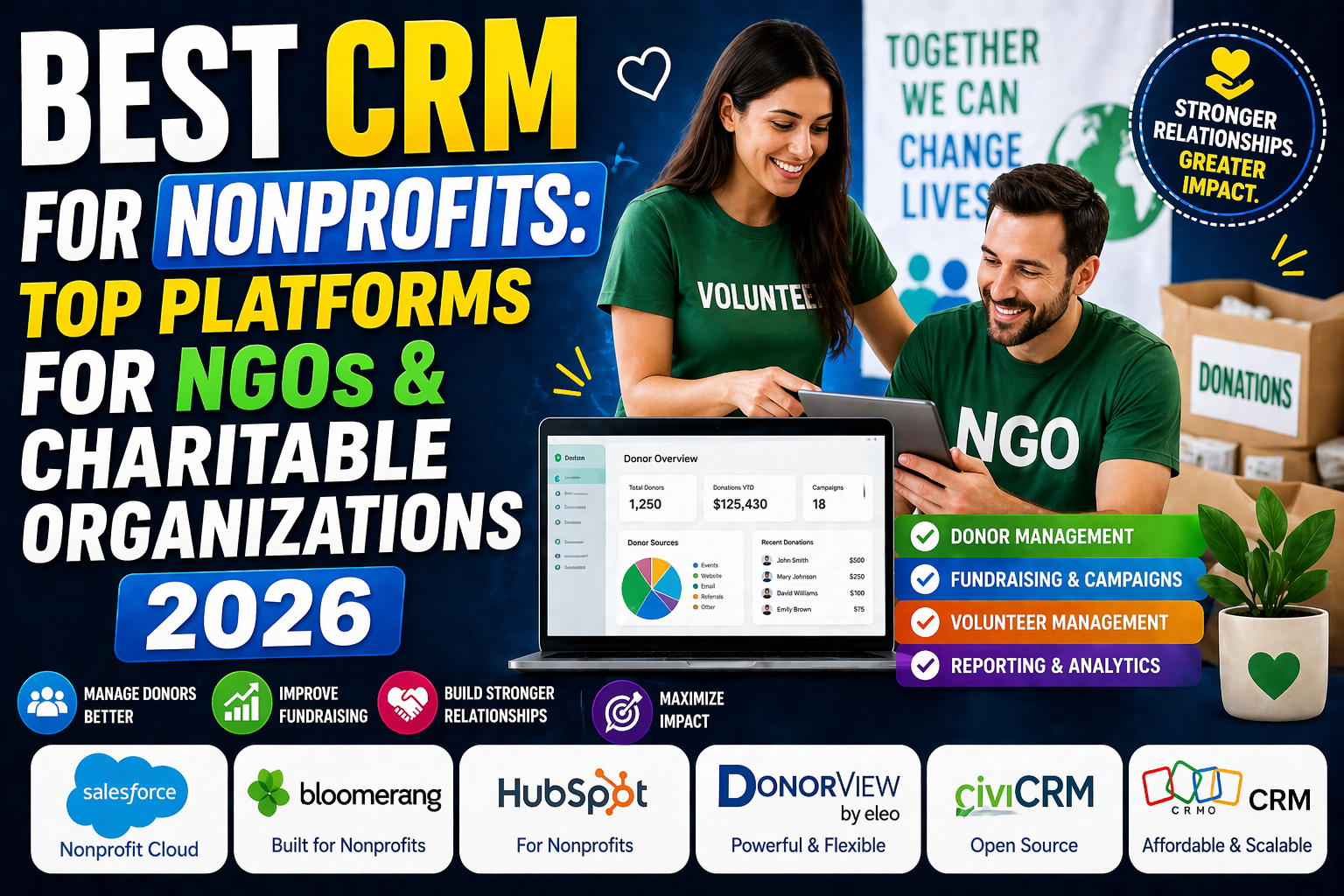
In the bustling world of nonprofit organizations, having the right tools at your fingertips is crucial to amplifying impact. A robust CRM tailored for nonprofits can be your secret weapon in managing relationships and driving fundraising efforts.
Let’s delve into the essential features that can transform your nonprofit’s operations, from donor management to enhancing engagement and boosting fundraising success.
Essential Features for Nonprofits
Nonprofit CRM solutions must be equipped with features that cater to the unique needs of charities and foundations. Here are some of the most critical elements:
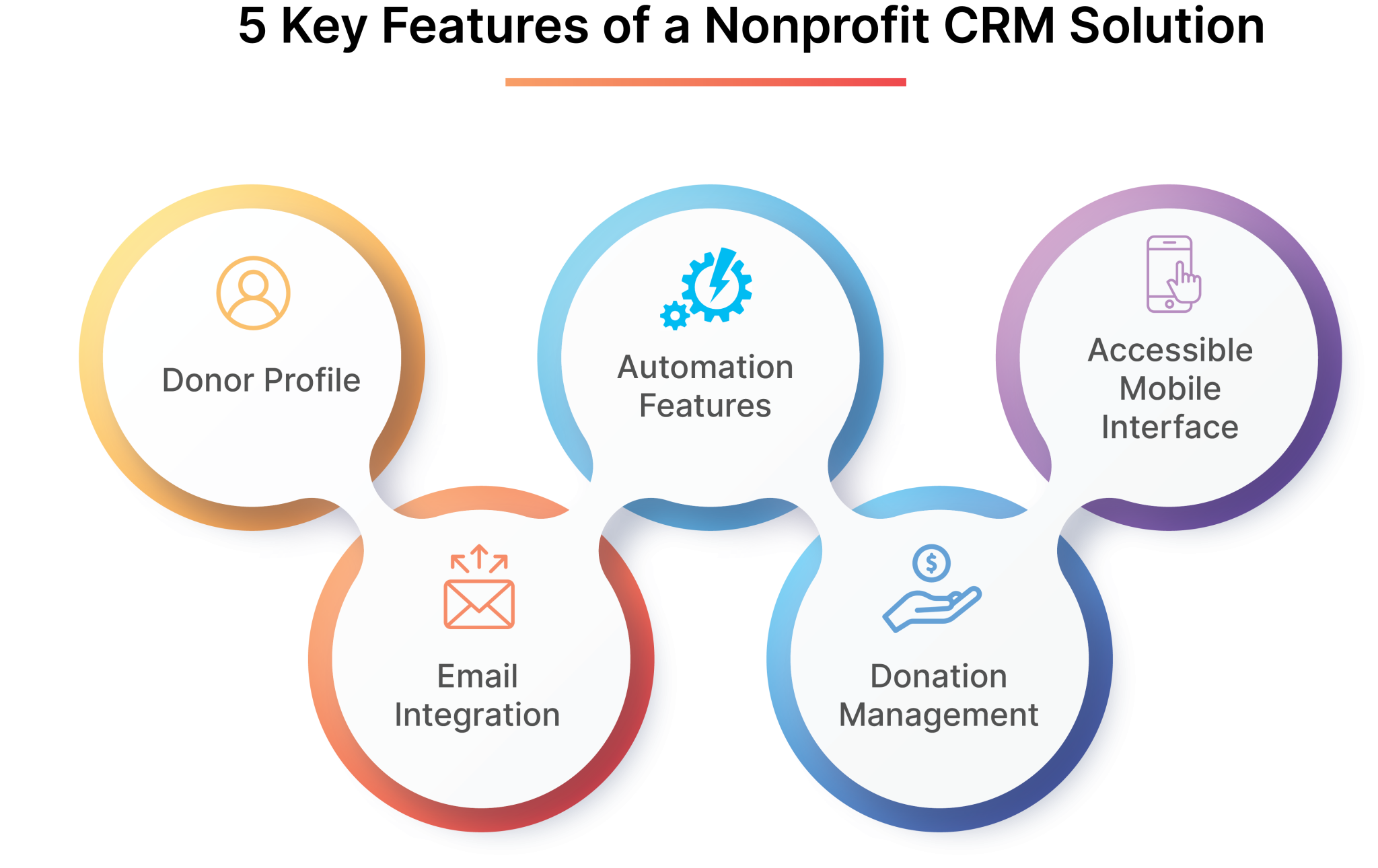
- Donor Management: Keep track of donor information, history, and preferences to personalize communications and strengthen relationships.
- Volunteer Tracking: Manage volunteer data, availability, and roles efficiently, ensuring a seamless volunteer experience.
- Event Management: Organize fundraising events with ease, streamline registration processes, and track participation metrics.
- Grant Management: Simplify the process of tracking grant submissions and reporting, ensuring compliance and enhancing success rates.
Importance of Donor Management and Engagement Tools
Donor management is the heart of any nonprofit CRM. It’s not just about storing data; it’s about crafting meaningful and enduring connections. These tools enable your nonprofit to:
“Turn one-time donors into lifelong supporters.”
With features like automated thank you notes and personalized engagement strategies, these tools ensure that your donors feel valued and acknowledged, ultimately boosting retention and satisfaction.
CRM Features Enhancing Fundraising Efforts
Effective fundraising is the lifeblood of nonprofits. With the right CRM features, you can streamline efforts and maximize results. Consider these powerful tools:
| Feature Category | Description | Benefits |
|---|---|---|
| Analytics and Reporting | Generate insightful reports to understand donor behavior and campaign success. | Empowers data-driven decision-making, optimizing fundraising strategies. |
| Online Donation Integration | Facilitates seamless online donations directly from your website. | Increases donation convenience, leading to higher contribution rates. |
By incorporating these features, your nonprofit can supercharge its fundraising strategies, ensuring you have the resources to fulfill your mission and create a lasting impact.
Evaluating CRM Solutions for Nonprofit Needs

Choosing the right CRM solution for your nonprofit can be the deciding factor in your organization’s success. But with so many options out there, how do you choose the one that best fits your needs?
It’s essential to evaluate potential CRM solutions based on specific criteria tailored to nonprofit requirements. This ensures that the chosen system not only supports daily operations but also enhances growth and outreach efforts.
Key Criteria for Selection
When selecting a CRM, nonprofits should focus on several critical criteria to ensure the solution meets their unique challenges and goals:
- Cost-effectiveness: Budget is always a significant factor for nonprofits, so it’s crucial to find a CRM that provides maximum functionality at a minimal cost.
- Ease of use: A user-friendly interface can empower your team to adopt the new system quickly and efficiently.
- Customization: Look for solutions that allow you to tailor features to your specific processes and workflows.
- Integration capabilities: The ability to integrate with existing tools and software ensures a seamless transition and ongoing operations.
- Support and Training: Reliable customer support and comprehensive training resources can make all the difference in successful implementation.
Comparing Affordable CRM Solutions
Several affordable CRM solutions are available in the market today, each with its own set of features and benefits. Here’s a comparison to help you make an informed decision:
| CRM Solution | Features | Pricing | User Reviews |
|---|---|---|---|
| Nonprofit Success | Donor Management, Volunteer Tracking, Custom Reports | $50/month | 4.5/5 |
| CharityConnect | Event Management, Email Campaigns, Integrations with Payment Systems | $30/month | 4.3/5 |
| HelpingHands CRM | Case Management, Mobile Access, Social Media Integration | $40/month | 4.6/5 |
“Selecting the right CRM is not just about features—it’s about finding a solution that aligns with your mission and empowers your team.”
Implementation Strategies for Nonprofit CRM Systems
Embarking on the journey to integrate a CRM system within your nonprofit organization is a transformative step towards enhanced efficiency and impact. Success hinges on meticulous planning and strategic execution.
To ensure a seamless transition, nonprofits need to focus on a comprehensive implementation plan that not only caters to organizational goals but also aligns with the skillsets of their staff and volunteers. Here’s how you can achieve this.
Effective Training for Staff and Volunteers
At the heart of successful CRM implementation lies effective training for your team. A well-trained team is more confident and productive, leading to smoother operations and better outcomes.
- Start with customized training sessions that align with the specific roles and responsibilities of your team members.
- Utilize a mix of training methods, including online modules, workshops, and hands-on practice, to cater to various learning preferences.
- Establish a mentorship program where experienced staff can guide new users through the intricacies of the CRM system.
- Ensure there’s a readily available support system for ongoing questions and troubleshooting.
Seamless Integration with Existing Technologies
Your CRM system should not operate in a silo. It’s crucial to create a cohesive ecosystem by integrating CRM with your existing technologies. This will enhance data flow and operational efficiency.
Consider the following integration strategies:
- Assess compatibility: Evaluate the CRM system’s compatibility with your current software to prevent any disruption.
- Use APIs: Leverage the power of APIs to connect your CRM with other tools, ensuring that data is synchronized and accessible across platforms.
- Implement a phased approach to integration, starting with critical systems to minimize risks.
- Regularly review and update integration processes to accommodate new technologies and organizational changes.
“A CRM system should be woven seamlessly into the fabric of your operations, enhancing rather than hindering your mission.” – Nonprofit Tech Expert
Case Studies of Nonprofits Using Affordable CRM Solutions

Nonprofit organizations are increasingly leveraging CRM solutions to streamline operations and enhance donor relationships. Through various case studies, we explore how these tools have been transformative in advancing nonprofit missions.
The adoption of CRM systems by nonprofits is not just a technological upgrade; it’s a strategic move towards sustainable growth and efficiency. By examining real-world examples, we can understand the nuances involved in implementing these systems and the tangible benefits they deliver.
Revitalizing Donor Engagement at “Hope for All”
“Hope for All,” a small nonprofit focused on community development, faced dwindling donor engagement and operational inefficiencies. With limited resources, they opted for an affordable CRM solution tailored to their specific needs. The implementation phase presented challenges, such as data migration and staff training. However, with dedicated efforts and vendor support, these hurdles were overcome.
The impact of the CRM system was remarkable. Donor engagement increased by 40%, and the team was able to automate routine tasks, allowing more time for strategic initiatives. As one staff member noted,
“The CRM has been a game-changer, transforming how we connect with our supporters.”
Efficiency Boost at “Green Earth Initiative”
Faced with the challenge of managing a growing database of volunteers and donors, “Green Earth Initiative” turned to an affordable CRM solution. Their key objectives were to improve data accuracy and foster better communication. Initially, the team struggled with customizing the CRM to fit their unique workflows.
Through persistent efforts and collaboration with the CRM provider, they successfully customized the system. The outcome was a 50% reduction in administrative tasks and a significant increase in volunteer retention rates. The CRM enabled the team to track interactions effectively, leading to more personalized and impactful communication.
Financial Transparency Achieved by “Youth Empower”
“Youth Empower,” dedicated to empowering young individuals through education, faced issues with financial transparency and donor trust. By implementing a CRM system, they aimed to enhance their reporting capabilities and transparency.
Despite initial resistance from staff due to the perceived complexity, comprehensive training sessions were organized. This led to a smoother transition and acceptance of the new system. As a result, they achieved more accurate and timely reports, fostering greater trust among donors. This crucial improvement was instrumental in increasing their funding by 30% within a year.
Future Trends in CRM Solutions for Nonprofits
As technology continues to evolve, so does the landscape of CRM solutions for nonprofits. Embracing future trends can empower organizations to enhance their efficiency and deepen their impact.
Emerging trends in CRM systems are set to revolutionize how nonprofits engage with their constituents, manage data, and streamline operations. Understanding and adapting to these changes can ensure that nonprofits not only survive but thrive in an increasingly digital world.
AI and Machine Learning Integration
With CRM systems incorporating artificial intelligence and machine learning, nonprofits can achieve unprecedented levels of personalization and data-driven decision-making. These technologies can analyze donor behavior to predict future giving patterns, segment members for targeted communications, and even automate routine tasks to save time and resources. Imagine a system that not only records interactions but intelligently suggests the next steps!
Enhanced Mobile Accessibility
As mobile device usage continues to rise, CRM systems are becoming more mobile-friendly, allowing nonprofits to access and update data on-the-go. This trend enables field workers to instantly capture interactions, update records, and engage with donors from their smartphones or tablets. Enhanced mobile accessibility ensures that nonprofits stay connected and responsive, no matter where their mission takes them.
Data Privacy and Security Enhancements
In an era where data breaches are a significant concern, upcoming CRM solutions are prioritizing data privacy and security. Nonprofits must stay ahead by adopting systems that comply with global data protection regulations and feature robust security measures, such as encryption and multi-factor authentication. This trend not only protects donor information but also builds trust and confidence among constituents.
Staying ahead of CRM technology advancements means nonprofits can focus more on their mission and less on technology challenges.
Final Thoughts

As the landscape of nonprofit work evolves, so too must the tools and strategies that drive it. Affordable CRM solutions present a beacon of opportunity, enabling organizations to enhance their operations, engage more deeply with their communities, and ultimately, make a more significant impact. By embracing these solutions, nonprofits can secure a brighter future, where every relationship is nurtured, and every mission is achievable. The journey towards transformation begins now—are you ready to embark on it?