In a world where customer experiences reign supreme, the key to unlocking success lies in the seamless alignment of sales and marketing efforts. Enter CRM—Customer Relationship Management—a powerful tool that transforms how these two crucial departments collaborate. Imagine software so intuitive that it not only streamlines processes but also fosters synergy, driving businesses toward unprecedented heights. Welcome to the transformative universe of CRM for sales and marketing alignment.
Picture this: a sales team armed with insights tailored from marketing data, crafting pitches that resonate perfectly with potential customers. Visualize a marketing department that leverages feedback from sales interactions to refine campaigns with laser precision. With CRM, this alignment is no longer a distant dream but a tangible reality, empowering businesses to thrive in a competitive landscape. Join us as we delve into the essence of CRM and uncover the strategies that will revolutionize your sales and marketing dynamics.
Definition and Importance of CRM for Sales and Marketing Alignment

In today’s competitive business environment, aligning sales and marketing is not just a strategy; it’s a necessity. A CRM (Customer Relationship Management) system serves as the backbone for this alignment, providing a seamless connection between the two functions.
CRM is a sophisticated tool that helps businesses manage customer interactions, streamline processes, and improve profitability. By consolidating customer information and interactions into a single database, a CRM system ensures both sales and marketing teams are on the same page, working towards common objectives. This alignment is crucial for creating a cohesive customer journey and ultimately boosting sales performance.
The Role of CRM in Uniting Sales and Marketing
CRM systems act as a bridge between sales and marketing teams, fostering a collaborative environment where data and insights are shared effortlessly. With a centralized platform, marketing campaigns can be targeted and personalized based on sales data, while sales strategies can be refined using marketing insights. This synergy leads to more effective customer engagement and higher conversion rates.
Benefits of CRM for sales and marketing collaboration include:
- Enhanced data sharing and communication
- Improved lead tracking and nurturing
- Streamlined sales processes
- Personalized marketing campaigns
By integrating CRM, companies can break down silos and create a unified approach to customer interactions, resulting in a more efficient and effective team.
Successful CRM Integrations in Action
Many companies have witnessed remarkable transformations by adopting CRM systems. For instance, Company X used CRM to align their sales and marketing efforts, resulting in a 30% increase in lead conversion within just six months. Using CRM analytics, they tailored their marketing messages to match customer preferences identified by the sales team, creating a seamless customer experience.
Another example is Company Y, which leveraged CRM to integrate their sales and marketing data, enabling real-time updates and insights. This integration allowed them to respond swiftly to market changes and customer needs, leading to a 25% boost in customer satisfaction.
These success stories highlight the transformative power of CRM systems in harmonizing sales and marketing functions, driving business success, and enhancing customer relationships.
Key Features of CRM Systems that Enhance Sales and Marketing Alignment
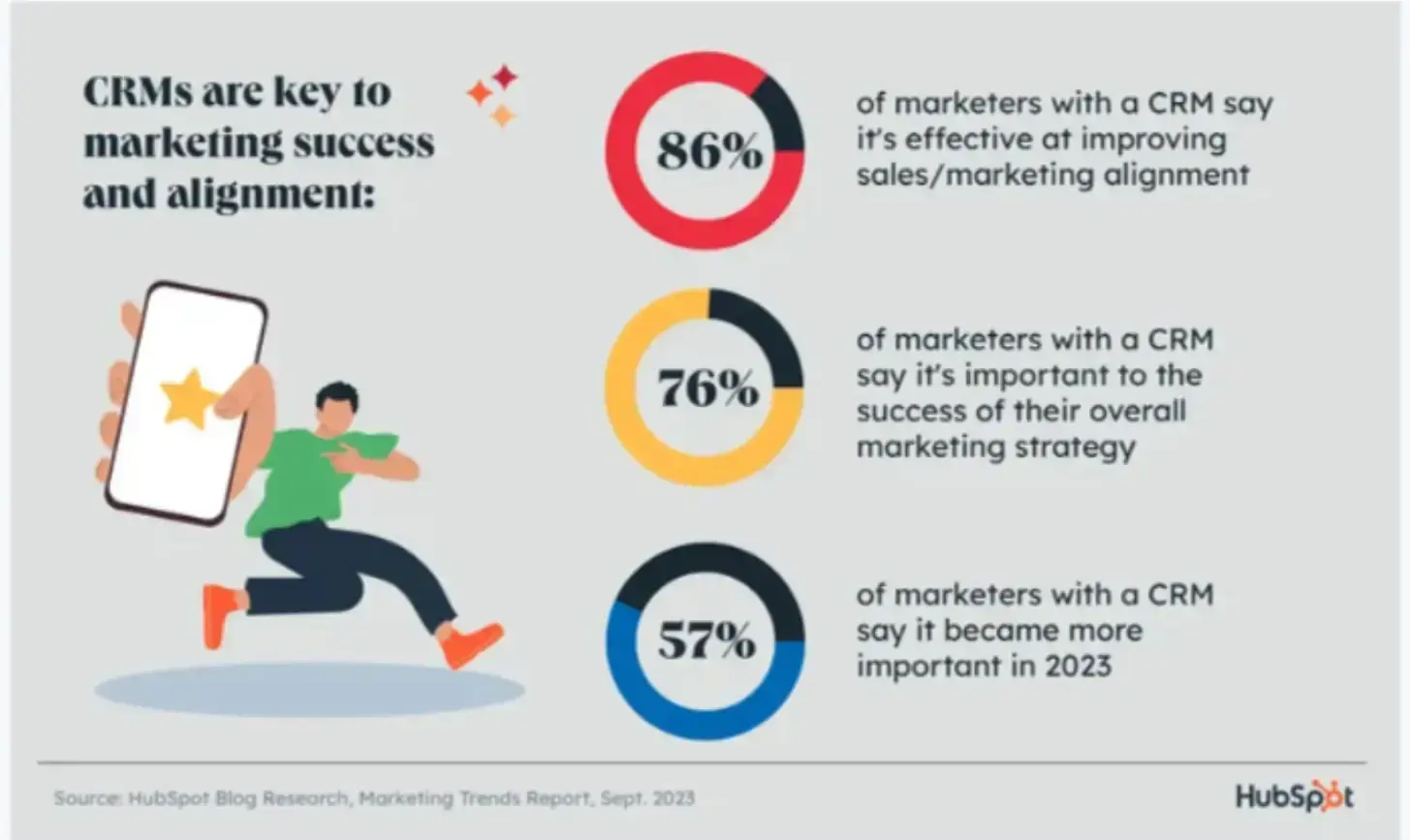
In the fast-paced world of business, where every second counts, having a comprehensive system that aligns sales and marketing efforts is not just beneficial—it’s essential. CRM systems are the heroes behind this alignment, offering a suite of features designed to bridge the gap between these two critical departments.
By leveraging these key features, businesses can create a well-oiled machine where information flows seamlessly, decisions are data-driven, and collaboration is the norm. Let’s delve into the specific features that make this possible.
Integration of Sales and Marketing Tools
The first step in achieving alignment is the integration of tools and platforms. A CRM that offers integrated sales and marketing tools allows both teams to work from the same playbook, drastically improving communication and strategy coherence. Whether it’s email marketing software, social media platforms, or sales automation tools, seamless integration ensures that data is not siloed and both teams have access to the same insights.
Data sharing and real-time analytics are the backbone of effective CRM systems. These features allow both sales and marketing teams to access up-to-date information, enabling quick and informed decision-making. With real-time analytics, teams can track campaign performance, sales conversions, and customer interactions, ensuring strategies are aligned and goals are met efficiently.
Comprehensive Customer Insights
CRM systems provide a treasure trove of customer insights that are invaluable to both sales and marketing teams. By having access to detailed customer profiles, purchase history, and interaction data, teams can tailor their approaches and messaging to better meet the needs of their target audience. This level of personalization not only enhances customer satisfaction but also boosts loyalty and retention rates.
Automated Processes and Workflows
Automation is a game-changer in the CRM landscape. By automating repetitive tasks and processes, both sales and marketing teams can focus on strategic initiatives that drive growth. Automated workflows ensure that leads are nurtured across the customer journey, reducing the risk of potential slip-throughs and ensuring no opportunity is missed.
Collaborative Platforms
Finally, a CRM that fosters a collaborative environment can make all the difference. Features that allow for shared calendars, task lists, and project management tools ensure that both teams are on the same page. By providing a platform where ideas and strategies can be shared and discussed, CRM systems facilitate a culture of collaboration that drives alignment and success.
| CRM Features | Sales Benefits | Marketing Benefits | Alignment Outcomes |
|---|---|---|---|
| Integrated Tools | Streamlined Processes | Consistent Messaging | Unified Strategy |
| Real-Time Analytics | Informed Decision-Making | Adaptive Campaigns | Improved Responsiveness |
| Customer Insights | Personalized Sales Approaches | Targeted Marketing Efforts | Enhanced Customer Experience |
| Automated Workflows | Efficient Lead Management | Timely Campaign Execution | Increased Productivity |
| Collaborative Platforms | Better Team Coordination | Improved Campaign Planning | Stronger Team Dynamics |
“The secret to successful sales and marketing alignment lies in the powerful features of a robust CRM system.”
Strategies for Implementing CRM for Sales and Marketing Alignment
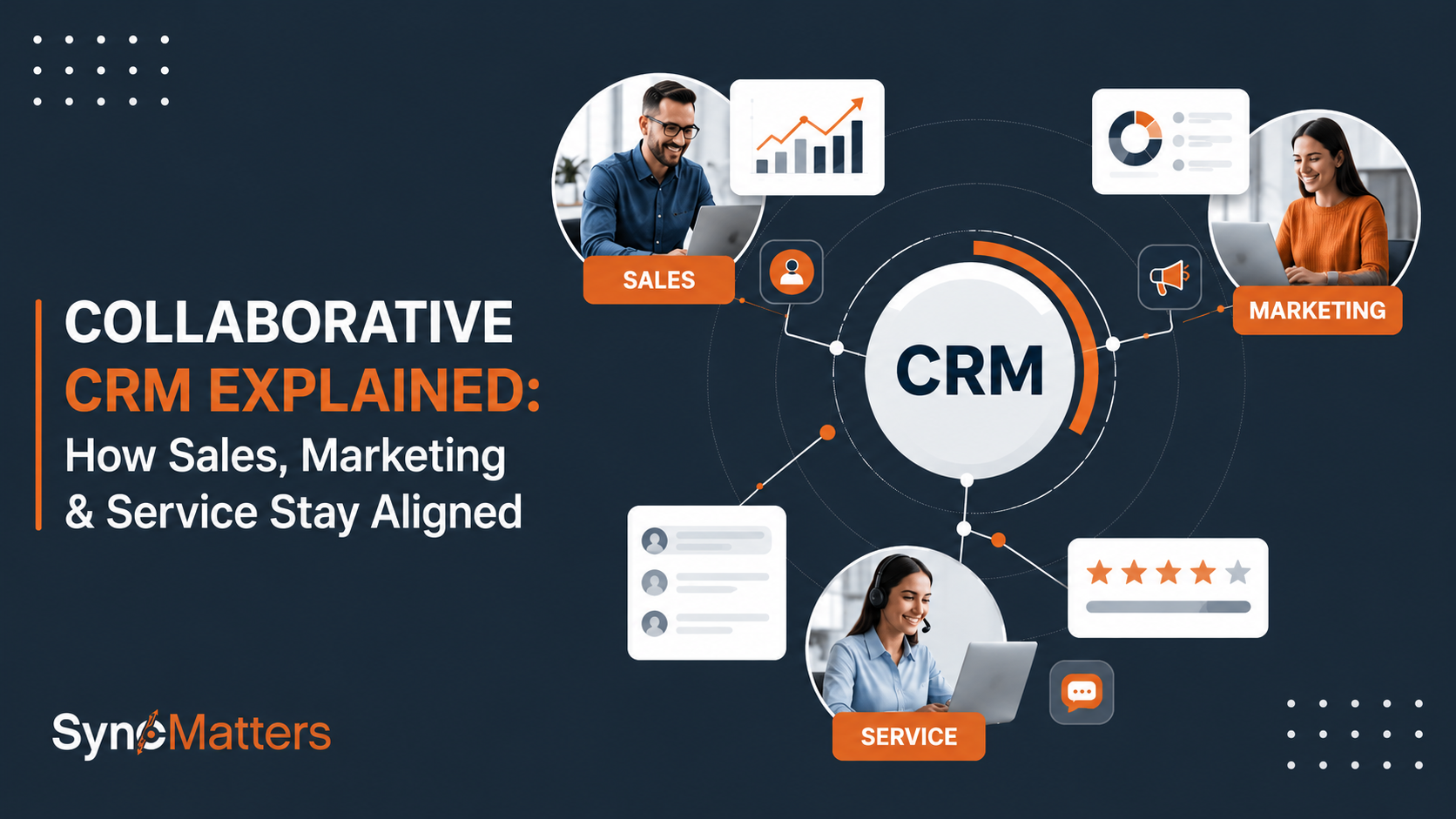
Harnessing the power of a CRM system can revolutionize how sales and marketing teams collaborate. It’s not just about adopting technology; it’s about transforming your business processes for enhanced synergy and results.
Let’s dive into the essential strategies to implement CRM effectively, ensuring that your sales and marketing teams are perfectly aligned.
Structured Steps for CRM Implementation
Initiating a CRM system that aligns both sales and marketing requires meticulous planning. This process involves several critical steps that ensure successful adoption and integration. Here’s how you can organize these steps effectively:
- Assessment and Goal Setting: Identify your business needs and set clear objectives for CRM implementation.
- Stakeholder Involvement: Engage both sales and marketing teams early to gather input and ensure buy-in.
- Vendor Selection: Choose a CRM platform that best meets your alignment needs, offering features that facilitate collaboration.
- Data Migration Planning: Ensure a smooth transition of existing data into the new CRM system, maintaining data integrity.
- Phased Roll-out: Implement the CRM in phases to allow gradual adaptation and address any issues promptly.
Team Training for CRM Mastery
Training your teams to effectively use the CRM system is vital for achieving alignment between sales and marketing. Here are some key methods to ensure they become CRM experts:
- Customized Training Sessions: Design sessions that are tailored to the specific needs of sales and marketing teams.
- Hands-on Workshops: Provide practical workshops that allow team members to experiment with CRM functionalities in real-time scenarios.
- Continuous Learning: Establish a culture of ongoing education with regular updates and advanced training modules.
- Feedback Mechanisms: Implement feedback loops to understand training effectiveness and areas of improvement.
Creating Seamless CRM Workflows
Setting up efficient CRM workflows is pivotal in ensuring that both sales and marketing operations are smooth and interconnected. Here’s how you can design CRM workflows for optimal integration:
“A well-designed CRM workflow is the backbone of seamless sales and marketing operations.”
- Workflow Mapping: Thoroughly map out existing processes to identify areas that require integration or automation.
- Automation Tools: Utilize CRM’s automation capabilities to streamline repetitive tasks and enhance productivity.
- Cross-Department Collaboration: Ensure workflows are designed in a way that encourages collaboration and data sharing between departments.
- Regular Workflow Evaluation: Regularly assess and optimize workflows to adapt to changing business needs and technologies.
Challenges and Solutions in CRM for Sales and Marketing Alignment
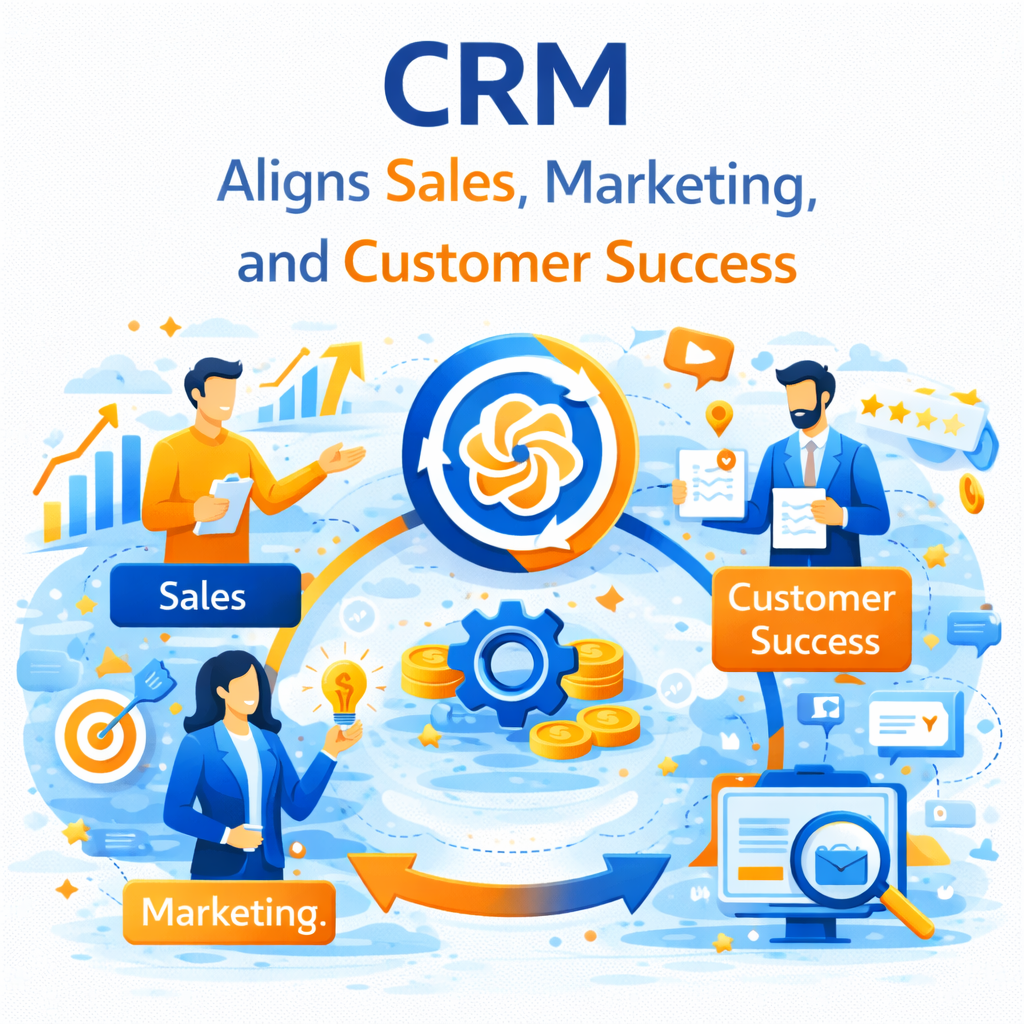
While CRM systems hold the promise of seamless integration between sales and marketing teams, the journey is often fraught with challenges. Understanding these obstacles is the first step toward overcoming them and achieving true alignment.
From data silos to cultural resistance, companies face several barriers when trying to align their sales and marketing efforts through CRM. However, with strategic planning and a focus on collaboration, these challenges can be transformed into opportunities for growth.
Overcoming Data Silos
Data silos are among the most common hurdles in CRM integration. When sales and marketing teams operate in isolation, valuable insights are lost, and decision-making becomes fragmented.
- Implement a centralized CRM system to ensure all data is accessible to both teams.
- Encourage regular cross-departmental meetings to discuss shared goals and data interpretation.
- Invest in training programs to enhance team members’ proficiency with the CRM system.
Fostering Collaboration and Communication
Cultural resistance can hinder the success of CRM initiatives. Establishing a collaborative culture is crucial for effective implementation.
- Create shared KPIs that align with both sales and marketing objectives.
- Utilize CRM features like chat and forums to facilitate ongoing communication.
- Appoint a liaison officer to bridge communication gaps between the two teams.
Ensuring Data Quality and Accuracy
Poor data quality can derail CRM efforts, leading to mistrust and inefficiencies. Establishing robust data management practices is essential.
- Regularly audit and cleanse data to maintain accuracy and reliability.
- Establish clear data entry protocols and standards.
- Leverage CRM analytics to identify and rectify discrepancies promptly.
“Implementing a CRM system was initially overwhelming, but by breaking down silos and fostering open communication, we turned our challenges into a strength. Today, our sales and marketing teams operate as one cohesive unit.” — Sarah Thompson, VP of Sales at InnovateCorp.
“Data quality issues were our Achilles’ heel. With regular audits and a unified CRM strategy, we’ve seen a remarkable improvement in our campaigns’ effectiveness.” — John Matthews, Marketing Director at GrowthWorks.
Case Studies of CRM Success Stories in Sales and Marketing Alignment

For organizations seeking to harmonize their sales and marketing efforts, CRM systems have proven to be the magic wand. Let’s dive into some remarkable case studies where businesses have leveraged CRM for exceptional sales and marketing alignment.
These stories illustrate the transformative power of CRM, showcasing a variety of approaches and outcomes that have paved the way for seamless integration and success.
Achieving Harmony at Tech Innovate
Tech Innovate, a leader in the technology sector, faced challenges in aligning their sales and marketing teams. Both teams operated in silos, resulting in miscommunication and missed opportunities. They implemented a robust CRM system that centralized customer data and provided real-time insights.
By streamlining communication channels and automating mundane tasks, Tech Innovate improved lead conversion rates by 40% within the first six months. The CRM system enabled both teams to view and analyze customer interactions efficiently, fostering collaboration and enhancing overall productivity.
Seamless Integration at Global Retail Co.
Global Retail Co., a multinational retail chain, took a different approach by customizing their CRM to focus on customer feedback and engagement metrics. They prioritized customer journey mapping to align their marketing campaigns with sales strategies.
This tailored approach resulted in a 30% increase in customer satisfaction scores and a 25% boost in cross-selling opportunities. The CRM system not only aligned marketing and sales strategies but also offered actionable insights to improve customer experiences.
| Company | Strategy | Outcome |
|---|---|---|
| Tech Innovate | Centralized data and real-time insights | 40% increase in lead conversions |
| Global Retail Co. | Customer journey mapping and engagement metrics | 30% increase in customer satisfaction |
Revolutionizing Customer Engagement at HealthPlus
HealthPlus, a healthcare solutions provider, integrated CRM with their existing systems to revolutionize customer engagement. By leveraging CRM analytics, they identified new market segments and optimized their outreach strategies.
HealthPlus saw a 50% rise in new patient acquisitions and a 20% increase in retention rates. The CRM system enabled personalized communication, making patients feel valued and connected.
“Our CRM system is the heart of our customer-centric approach,”
remarked their Chief Marketing Officer.
Future Trends in CRM for Sales and Marketing Alignment
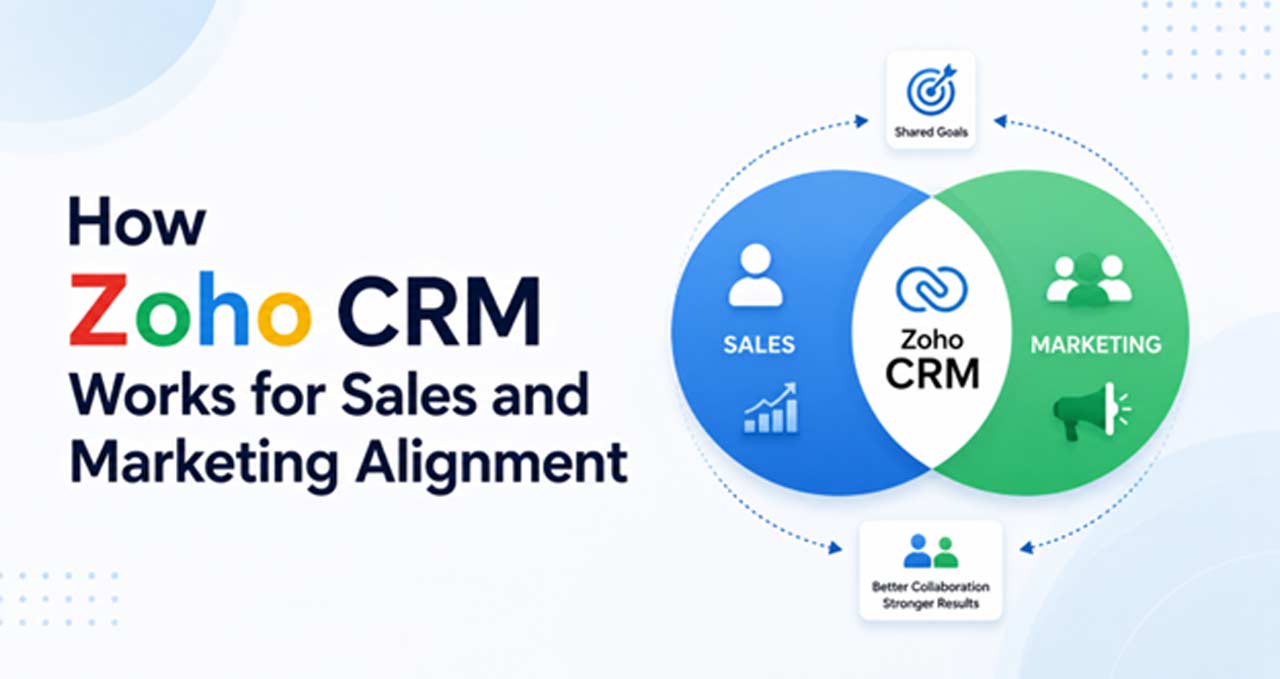
In the ever-evolving landscape of business technology, CRM systems are poised for dynamic changes that promise to revolutionize the synergy between sales and marketing teams. As organizations strive for seamless integration, these emerging trends will redefine how these departments collaborate.
Today’s CRM solutions are evolving from basic customer management tools to sophisticated platforms integrating cutting-edge technologies. These advancements not only enhance communication between teams but also empower them with actionable insights, paving the way for a more synchronized effort towards achieving organizational goals.
The Impact of AI and Machine Learning on CRM Systems
Artificial Intelligence (AI) and machine learning are becoming integral to CRM systems, offering unprecedented opportunities to deepen the alignment between sales and marketing. AI-driven insights are enabling companies to anticipate customer needs, personalize interactions, and optimize strategies across the board. This technological evolution is not just about automation but about creating intelligent ecosystems that learn and adapt.
Machine learning algorithms are refining customer segmentation by analyzing behavioral patterns and preferences. This enables sales and marketing teams to develop highly targeted campaigns that resonate with specific audience segments, thereby improving conversion rates and customer satisfaction.
Anticipated Technological Advancements in CRM
As CRM technology continues to advance, several key developments are expected to further enhance the alignment of sales and marketing efforts. These innovations will empower organizations to drive engagement and efficiency to new heights:
- Integration of voice recognition and natural language processing for seamless customer interaction.
- Advanced predictive analytics to forecast trends and customer behaviors.
- Real-time data synchronization across multiple platforms for cohesive strategy execution.
- Enhanced mobile CRM capabilities enabling on-the-go access to critical information.
- Development of augmented reality (AR) features for immersive customer experiences.
These anticipated advancements underscore a future where CRM systems not only support but actively drive innovative approaches to sales and marketing alignment. By harnessing these trends, organizations can unlock new levels of productivity and customer engagement, redefining success in the digital age.
Closure
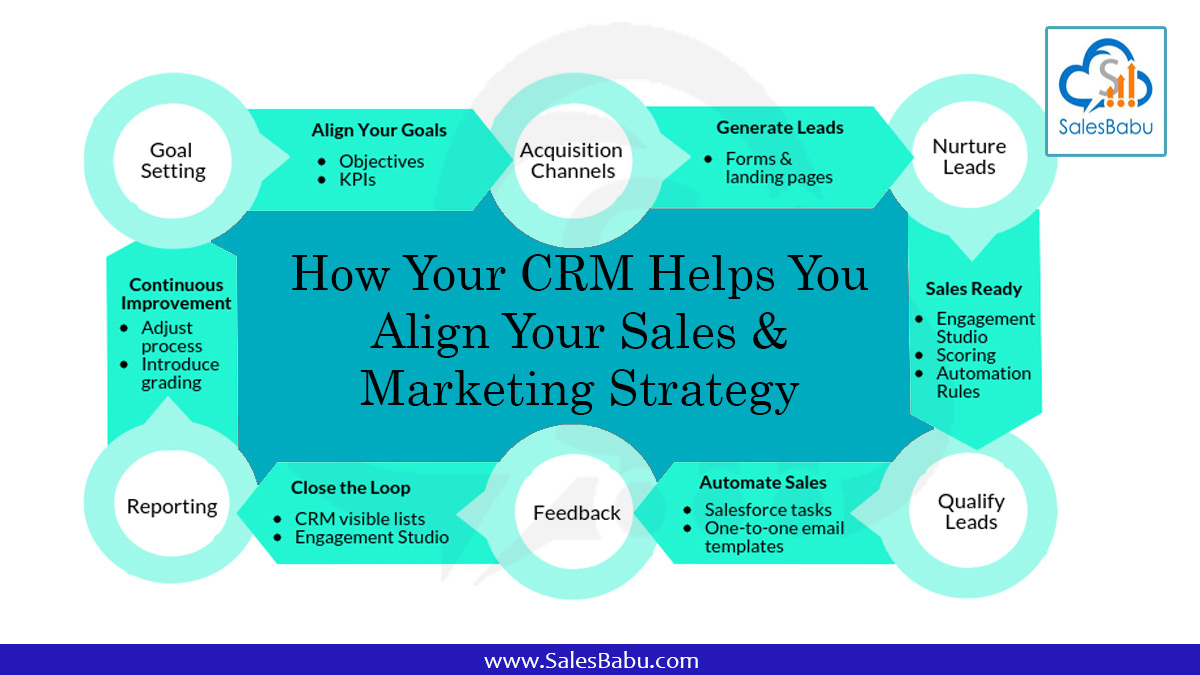
As we stand on the brink of a new era in business collaboration, the alignment of sales and marketing through CRM emerges as an indispensable strategy. By embracing this approach, organizations not only enhance their internal synergy but also redefine their customer interactions. So, take the leap—integrate CRM into your business framework and watch as it transforms challenges into opportunities and strategies into successes. The future of seamless sales and marketing collaboration is here, and it promises a journey filled with innovation and growth.