Imagine a world where every email you send is perfectly tailored to each customer, anticipating their needs, and building a relationship that lasts. That world is possible with CRM integration with email marketing—a combination that promises to revolutionize how businesses connect with their audience. By merging these two powerful tools, businesses can not only enhance their marketing strategies but also build lasting customer relationships.
In the ever-evolving digital landscape, staying ahead means embracing innovation. CRM integration with email marketing is your key to unlocking a more personalized, efficient, and impactful marketing approach. It’s time to step into a future where your emails are more than just communications—they are powerful connections.
Understanding CRM and Email Marketing Integration

Imagine a world where your customer insights and campaign execution dance harmoniously together. That’s the power of integrating CRM with email marketing.
This integration allows businesses to seamlessly synchronize customer data with targeted email campaigns, ensuring a personalized and efficient customer engagement strategy.
Reaping the Benefits and Tackling the Challenges
Integrating CRM with email marketing platforms brings a myriad of benefits, from enhanced personalization to streamlined processes. However, it also presents challenges like data synchronization and the need for advanced technical expertise.
Through integration, businesses can achieve a unified customer view, enabling more strategic decision-making and predictive analytics. But, it’s crucial to address potential hurdles such as data privacy concerns and system compatibility to fully harness its potential.
Enhancing Customer Relationship Management
With CRM integration, businesses can transform their customer relationship management. By capturing key customer interactions and preferences, businesses can tailor communications more precisely.
“Effective CRM integration with email marketing can lead to a significant increase in customer satisfaction and loyalty.”
This synergy not only boosts engagement but also drives conversions and fosters long-term relationships.
Key Features of Effective CRM and Email Marketing Integration
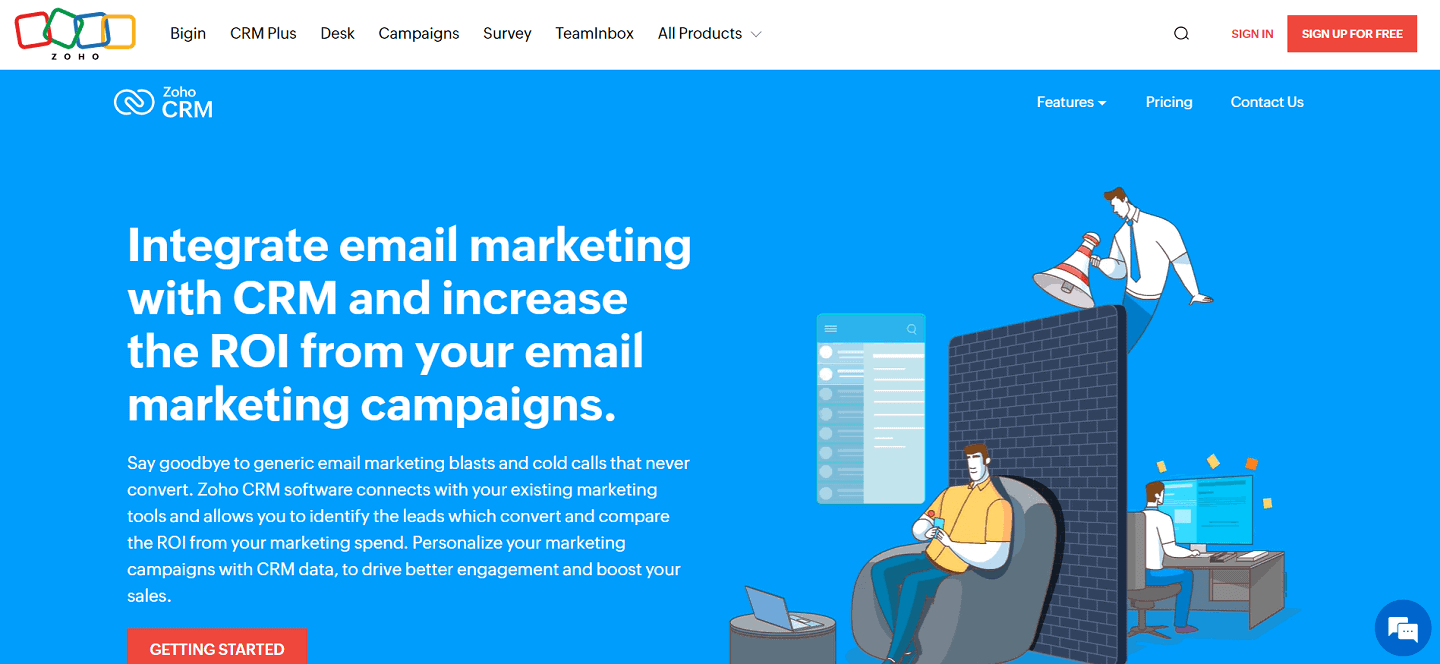
In the dynamic world of digital marketing, integrating CRM with email marketing is like having your own marketing powerhouse. This harmonious blend not only enhances customer engagement but also optimizes your marketing strategies.
Understanding the core features of a successful CRM and email marketing integration can significantly elevate your business performance. Let’s dive into these essential features that make such integration a valuable asset for any marketing team.
Essential Features of a Robust Integration Solution
To unleash the full potential of CRM and email marketing integration, it’s crucial to incorporate specific features that ensure seamless operation and impactful results. Below is a detailed list of these indispensable features:
| Feature | Description |
|---|---|
| Automated Synchronization | Ensures real-time data flow between CRM and email platforms, reducing manual updates and errors. |
| Data Segmentation | Allows businesses to categorize contacts based on behavior, preferences, and demographics for targeted campaigns. |
| Personalization | Adapts email content to align with individual customer profiles, enhancing engagement and conversion rates. |
| Analytics and Reporting | Provides insights into the performance of email campaigns and customer interactions, supporting data-driven decisions. |
| Lead Scoring | Ranks prospects based on their activity and potential to convert, enabling focused marketing efforts on high-value leads. |
| Automation Triggers | Initiates marketing actions based on pre-defined conditions, such as sending a welcome email when a new customer is added. |
Automation Enhances Marketing Efficiency
Imagine having a marketing assistant that works 24/7, flawlessly executing your campaigns with precision. That’s what automation in CRM integration offers. By automating repetitive tasks, you free up time and resources, empowering your team to focus on crafting creative strategies.
Automation streamlines workflows, improves response times, and increases overall campaign effectiveness. It’s not just about saving time, but also about maximizing the impact of your marketing efforts, allowing you to engage with customers in a more meaningful way.
“Automation is to your marketing strategy what fuel is to a car – indispensable for momentum and success.”
Best Practices for Implementing CRM and Email Marketing Integration

Integrating CRM with email marketing isn’t just about merging two systems; it’s about forging a powerful alliance that enhances customer engagement and drives business growth. By following best practices, businesses can unlock the full potential of their marketing strategies.
Understanding the intricate dance between CRM and email marketing can feel overwhelming. But with the right steps and strategies, you’ll create a seamless integration that not only saves time but also boosts your marketing results.
Step-by-Step Procedures for Seamless Integration
Embarking on the journey to integrate CRM with your email marketing systems requires a methodical approach. Here’s a step-by-step guide to ensure everything aligns perfectly:
- Identify Your Needs: Clarify your goals and what you hope to achieve with the integration.
- Select the Right Tools: Ensure that the CRM and email marketing tools you choose are compatible and have the integration capabilities you need.
- Data Synchronization: Set up automatic data sync to ensure both platforms are always up-to-date.
- Customize Your Integration: Tailor the integration to meet your specific business needs, such as segmenting customer lists or personalizing email campaigns.
- Test Thoroughly: Conduct comprehensive tests to ensure all data flows correctly and emails are sent as expected.
- Train Your Team: Provide training sessions to ensure everyone understands how to use the integrated system effectively.
- Monitor and Optimize: Regularly review the integration’s performance and make necessary adjustments to optimize results.
Checklist to Ensure a Smooth Integration Process
Before diving into the integration process, ensure you’ve covered all bases with this essential checklist. This guide will help you avoid common pitfalls and ensure a successful integration.
- ✅ Clearly define integration objectives.
- ✅ Choose compatible CRM and email marketing platforms.
- ✅ Plan a data migration strategy.
- ✅ Set up automated workflows.
- ✅ Test integration features with a small user group.
- ✅ Schedule regular system audits.
- ✅ Continuously refine based on feedback and analytics.
“Integration is not a destination; it’s a journey of continuous improvement and innovation.”
Tools and Platforms for CRM Integration with Email Marketing
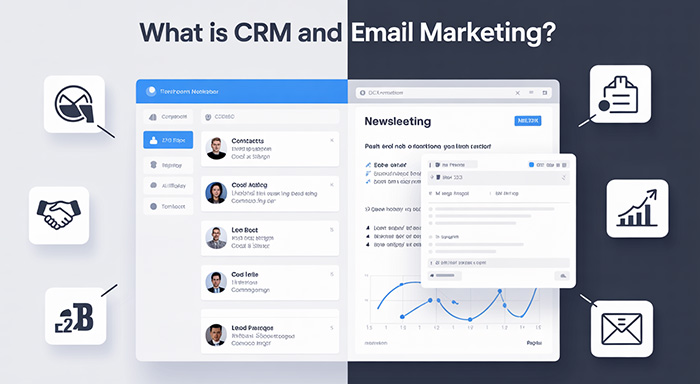
In the bustling digital marketplace, the synergy between CRM systems and email marketing platforms can be the secret sauce to a personalized customer experience. With a plethora of tools available, understanding their features and compatibility is crucial for making the right choice.
Integrating CRM with email marketing is not just about sending emails; it’s about creating a seamless customer journey that feels intuitive and personalized. By leveraging the right tools, businesses can ensure that their marketing efforts are both impactful and efficient.
Comparing Popular Tools and Platforms
When selecting a tool for CRM and email marketing integration, it’s essential to weigh the features, pricing, and compatibility with existing systems. Here’s a snapshot of popular tools that are leading the charge in this domain:
| Platform | Features | Pricing | Compatibility |
|---|---|---|---|
| HubSpot | Automation, Analytics, Personalization | Free – $3,200/month | Compatible with most CRM systems |
| Mailchimp | Segmentation, Drag & Drop Editor | Free – $299/month | Integrates with various CRM tools |
| Salesforce | Robust CRM Capabilities, AI Integration | $25 – $300/month | Seamless with Salesforce CRM, supports others |
| Zoho | Omnichannel Support, Customizable | $12 – $100/month | Integrates natively with Zoho CRM |
Choosing the right tool is not about finding the best on paper; it’s about finding the best fit for your unique business ecosystem.
Aligning Tools with Business Needs
To select the right integration tool, consider your business size and scope. A small business might prioritize cost-effectiveness, while a larger enterprise might focus on scalability. Evaluate the existing tech stack to ensure compatibility and leverage trial periods to test functionality. Look for features that complement your marketing strategy, such as automation for efficiency or AI for insights.
Moreover, consider the learning curve associated with the tool. A platform that is intuitive may reduce onboarding time and increase user adoption across teams. Ultimately, the right tool should enhance your CRM and email marketing efforts without adding unnecessary complexity.
Case Studies and Success Stories

Transforming the abstract into the tangible, real-world examples of CRM and email marketing integration offer compelling insights. These case studies illuminate how strategic integration can lead to substantial business growth.
In this section, we delve into how different companies have successfully harnessed the power of CRM systems in conjunction with email marketing to achieve remarkable outcomes. As we analyze these stories, the emphasis is on the strategies employed and the impressive results realized.
Revolutionizing Customer Engagement at TechSavvy Inc.
When TechSavvy Inc., a burgeoning tech start-up, faced hurdles in retaining customers, they turned to CRM and email marketing integration as a solution. The company implemented a personalized email outreach strategy using data-driven insights from their CRM system. This approach allowed them to tailor messaging to individual customer preferences and behaviors.
“Integrating CRM with our email marketing was a game-changer. We saw a 40% increase in customer engagement within just three months.” – Marketing Director, TechSavvy Inc.
By merging their email campaigns with CRM data, TechSavvy Inc. was able to create a seamless customer journey from first contact to ongoing relationship management. This not only boosted their engagement rates but also improved customer satisfaction significantly.
Boosting Sales Conversion with Tailored Campaigns at FashionForward Co.
FashionForward Co., a leading online retailer, sought to enhance their sales conversion rates. The company utilized CRM integration to launch targeted email campaigns based on customer purchase history and preferences. This strategic move led to a notable increase in conversion rates.
Before the integration, FashionForward Co. struggled with generic campaigns that failed to resonate. However, by leveraging CRM insights, they were able to send more relevant content, increasing their sales conversion by 25% within the first quarter.
“The level of personalization we achieved with CRM-integrated emails was unprecedented. It transformed our approach to customer communication and sales.” – Head of Sales, FashionForward Co.
This case study exemplifies how crucial CRM and email marketing integration can be in crafting campaigns that not only reach but resonate with the target audience, thereby driving sales success.
Future Trends in CRM and Email Marketing Integration
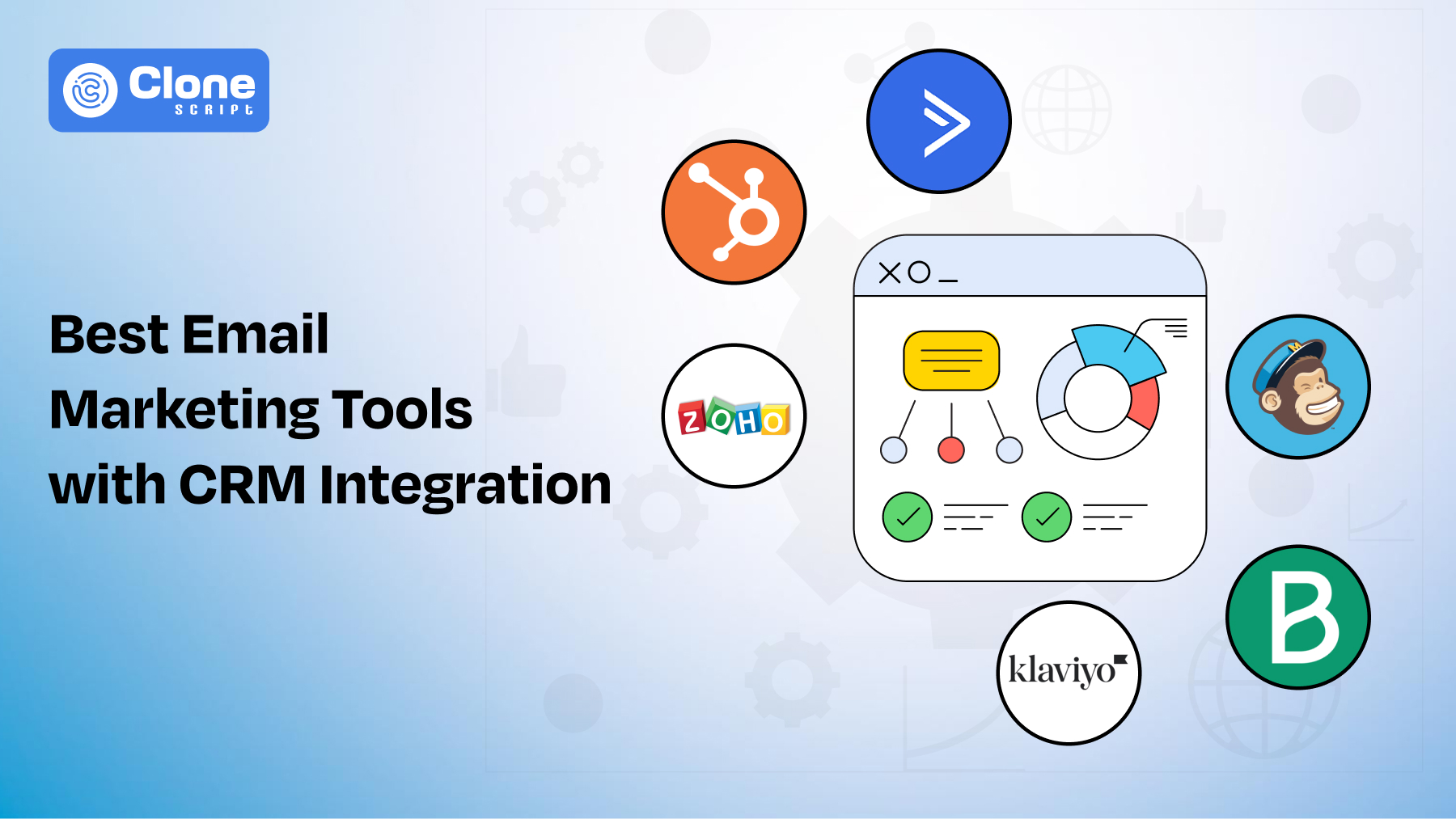
As the digital landscape evolves, the fusion of CRM and email marketing continues to transform how businesses engage with customers. The future promises even more seamless and intelligent integrations.
From AI-driven personalization to the rise of omnichannel strategies, businesses are poised to unlock unprecedented levels of customer engagement and retention. Let’s dive into the emerging trends that are reshaping this dynamic field.
AI and Machine Learning Enhancements
Artificial intelligence and machine learning are set to revolutionize CRM and email marketing integration. These technologies empower businesses to gather deeper insights into customer behavior, enabling highly personalized and predictive marketing efforts.
- Predictive Analytics: AI will help forecast customer needs, allowing for preemptive marketing actions.
- Enhanced Personalization: Machine learning algorithms will automate complex data analysis, tailoring messages with pinpoint accuracy.
- Smart Segmentation: AI-driven segmentation will ensure messages are delivered to the right audience at the optimal time.
Omnichannel Integration
The future of CRM and email marketing lies in unifying multiple channels to create a seamless customer journey. Integration across platforms will be key to delivering a cohesive experience.
“A unified customer journey is the new frontier in marketing excellence.”
- Consistent Messaging: Ensure your brand voice remains steady across email, social media, and other platforms.
- Real-time Interaction: Engage customers with timely responses and interactions across channels.
- Centralized Data Hub: Access to a single source of truth for customer data will enable more strategic decision-making.
IoT Integration and Smart Devices
The Internet of Things (IoT) is not just a buzzword; it’s paving the way for smart CRM and email marketing integration. Imagine devices that automatically trigger email responses based on user interactions.
- Device-triggered Emails: Automate responses based on smart device usage patterns.
- Behavioral Insights: Gather data from IoT devices to refine customer profiles and preferences.
- Proactive Engagement: Use IoT data to anticipate customer needs and respond proactively.
Summary

In conclusion, CRM integration with email marketing is not just a trend but a transformative approach that can redefine your business’s success. By harnessing the power of data and automation, you can create meaningful interactions with your customers, paving the way for increased loyalty and better outcomes. Embrace this integration today, and watch as your business thrives in ways you never thought possible.