Embarking on the startup journey is like setting sail on uncharted waters. While the destination is promising, the path is often filled with unpredictable challenges. This is where CRM software emerges as the captain of your ship, guiding you through the tumultuous seas of customer relations and operational efficiency. For startups, leveraging CRM software is not just a choice but a strategic imperative to ensure survival and success in today’s competitive landscape.
Imagine having a tool that not only organizes your client data but also streamlines your processes, improves communication, and boosts your sales—this is the magic of CRM software. By integrating these solutions early on, startups can unlock a treasure trove of benefits, from increased productivity to enhanced customer satisfaction. Let us dive deep into the world of CRM and explore why it’s a game-changer for startups determined to make their mark.
Introduction to CRM Software for Startups
In the fast-paced world of startups, managing customer relationships efficiently can be the secret weapon to success. CRM software is not just a tool—it’s the backbone that supports growing businesses.
For startups, the ability to streamline operations and maintain personalized interactions with customers is crucial. CRM software comes to the rescue by automating tasks, tracking customer interactions, and providing valuable insights. Integrating CRM systems early on can be a game-changer, enabling startups to focus on what truly matters—building lasting relationships with their customers.
Streamlining Operations with CRM Software
Implementing CRM software in a startup is akin to deploying a dedicated team to handle the intricacies of customer management. It’s not merely about storing contact information; it’s about enhancing the entire customer journey. The software automates routine tasks such as sending follow-up emails, scheduling appointments, and tracking sales pipelines, thus freeing up time for team members to focus on strategic, high-value activities.
Imagine a startup’s sales team armed with insights from a CRM system: they can see which leads are most likely to convert, understand customer preferences, and tailor their pitches accordingly. This level of personalization fosters stronger connections and ultimately boosts conversion rates. Moreover, CRM software ensures that no potential opportunity slips through the cracks, keeping startups agile and competitive.
Benefits of Early Integration of CRM Software
Adopting CRM software in the early stages of a startup’s journey offers a multitude of benefits. One of the most compelling is the establishment of a solid customer data foundation. With all interactions and transactions documented, startups can analyze patterns and make data-driven decisions.
A startup that integrates CRM software early on is also better positioned for scalability. As the customer base grows, the CRM system scales effortlessly, ensuring that the quality of customer interactions remains high. This seamless growth trajectory is vital for startups aiming to expand without compromising on customer satisfaction.
Furthermore, CRM systems foster collaboration. By providing a centralized platform where sales, marketing, and support teams can access the same customer data, startups eliminate silos and encourage teamwork. This unified approach results in consistent messaging and a coherent customer experience across all touchpoints.
Key Features to Look for in CRM Software
Choosing the right CRM software can be a game-changer for startups. It’s not just about managing customer interactions; it’s about fostering growth and efficiency from the ground up.
Understanding the essential features can help startups leverage CRM tools to optimize their operations and customer relations, ensuring they’re positioned for success. From contact management to analytics, the right features can drive meaningful engagement and measurable results.
Essential Features for Startups
When it comes to CRM software, startups should focus on features that enhance productivity and customer engagement. Here are some key features you shouldn’t overlook:
- Contact Management: Streamlines customer information, ensuring easy access to all client interactions.
- Sales Automation: Automates repetitive tasks, freeing up time for more strategic pursuits.
- Email Integration: Consolidates communication by syncing emails within the CRM system.
- Analytics and Reporting: Provides insights into customer behavior and sales performance.
- Mobile Accessibility: Ensures you can manage customer relationships on-the-go.
Comparison of Popular CRM Options
Choosing the right CRM involves comparing different options to see which best meets your startup’s needs. Below is a table comparing features of popular CRM software:
| CRM Software | Contact Management | Sales Automation | Email Integration | Mobile Access | Analytics |
|---|---|---|---|---|---|
| CRM A | ✔ | ✔ | ✔ | ✔ | ✔ |
| CRM B | ✔ | ✔ | ✘ | ✔ | ✔ |
| CRM C | ✔ | ✘ | ✔ | ✔ | ✘ |
Significance of Customization and Scalability
Startups need CRM software that grows with them. Customization allows for tailored solutions, ensuring the CRM meets specific business needs without unnecessary complexity.
Scalability is crucial as it supports business growth, allowing startups to expand their operations without overhauling their CRM infrastructure. This flexibility ensures that as your customer base grows, your CRM can handle the increased demand, adapting to new challenges and opportunities.
“A scalable CRM is not just a tool; it’s a partner in your growth journey.”
Popular CRM Software Options for Startups
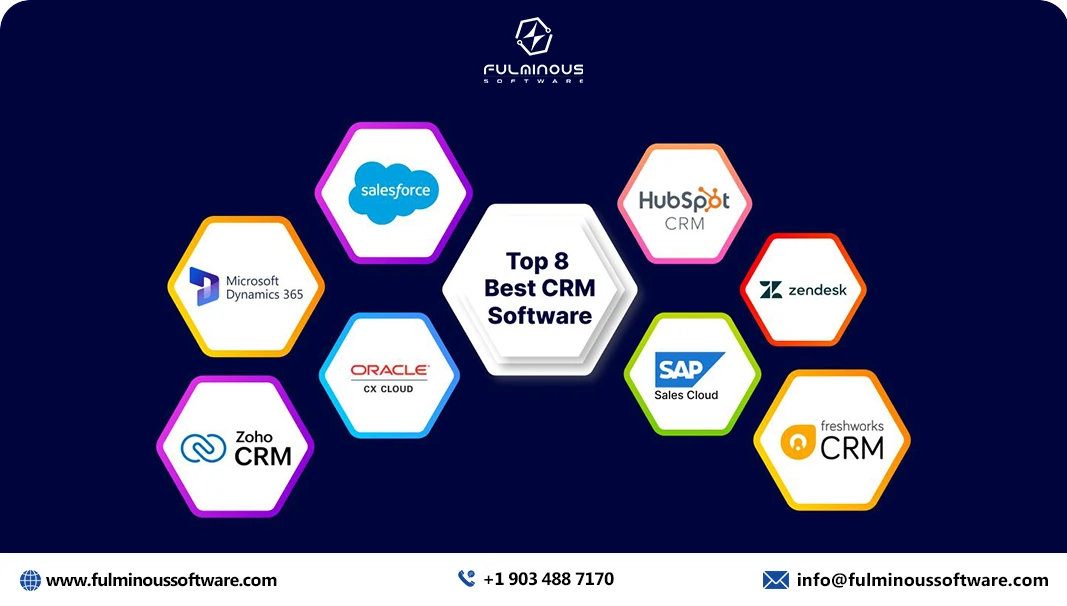
Diving into the vibrant world of CRM software can be daunting, especially for startups looking to find the right fit. With a plethora of options available, it’s crucial to identify which software can seamlessly align with your business goals and budget.
Here, we spotlight the top contenders in the CRM arena tailored for startups to help you make an informed decision.
Leading CRM Solutions Suited for Emerging Businesses
- HubSpot CRM: Known for its robust free tier, HubSpot CRM offers a comprehensive suite of tools that can grow with your business. Its user-friendly interface makes it a favorite among startups.
- Zoho CRM: With its flexible pricing plans, Zoho CRM provides a scalable solution that fits startups of different sizes and industries. Its integration capabilities are particularly noteworthy.
- Salesforce Essentials: Designed specifically for small businesses, Salesforce Essentials brings the power of Salesforce to startups at an affordable price, boasting advanced customization features.
- Freshsales: Emphasizing on AI-driven insights, Freshsales offers a smart approach to managing customer relationships. The software’s intuitive design makes it accessible for teams of all skill levels.
Comparing Pricing Models and Packages
Choosing a CRM often boils down to its cost-effectiveness and the value it brings. Below is a comparison of popular CRM pricing models to guide your investment.
| CRM Software | Pricing Model | Key Packages |
|---|---|---|
| HubSpot CRM | Freemium | Free tier with paid add-ons |
| Zoho CRM | Subscription | Standard, Professional, Enterprise |
| Salesforce Essentials | Pay-per-user | Essentials, Professional, Enterprise |
| Freshsales | Tiered Pricing | Blossom, Garden, Estate |
User Support and Community Resources
Exceptional customer support and a thriving user community can significantly enhance your CRM experience. Here’s how the top CRM solutions stack up in terms of user assistance and community involvement:
- HubSpot CRM: Offers a well-rounded support system including tutorials, webinars, and a dynamic community forum.
- Zoho CRM: Provides 24/7 customer support and an active user community, along with extensive documentation.
- Salesforce Essentials: Renowned for its Trailhead platform, which offers a plethora of learning resources, alongside community-driven events.
- Freshsales: Offers dedicated support channels and an engaged community forum to facilitate peer interactions and knowledge sharing.
“A great CRM is more than just software—it’s a community and a partnership.”
Implementation and Integration of CRM in Startup Ecosystems
Integrating a CRM system into a startup environment can be a game-changer, enhancing customer relationships and streamlining operations. However, the path to successful CRM adoption requires a strategic approach.
Startups must navigate unique challenges during CRM implementation, from budget constraints to technical hurdles. By focusing on effective integration methods and anticipating potential obstacles, young businesses can maximize the benefits of their CRM solutions.
Methods for Successful CRM Implementation in Startups
Implementing a CRM system doesn’t have to be daunting. Start by identifying key business objectives that the CRM will support. This clarity ensures that your CRM tool aligns with the startup’s goals, providing a tailored solution that addresses specific needs.
Next, involve your team early in the process. Encourage feedback and offer training sessions to familiarize employees with the new system. This not only eases the transition but also fosters a culture of collaboration and openness to change.
Finally, start small. Instead of a full-scale rollout, consider a phased approach where the CRM is introduced to one department at a time. This allows for adjustments and improvements based on initial feedback, ensuring a smoother overall implementation.
Organized Procedure for CRM Software Integration
Successful integration of CRM software with existing systems requires meticulous planning and execution. Here’s a structured approach to follow:
- Assessment and Planning: Evaluate your current systems and identify compatibility requirements. Create a detailed integration roadmap.
- Data Migration: Perform a data audit to ensure accuracy and consistency before transferring information to the CRM.
- System Configuration: Customize the CRM to align with your business processes, ensuring seamless functionality with existing tools.
- Testing and Validation: Conduct comprehensive testing to confirm that data flows smoothly and integrates correctly.
- Full Deployment: Roll out the CRM to all users, providing support and training to ensure a smooth adoption.
Common Challenges and Solutions in CRM Adoption
Adopting a CRM system can come with its own set of hurdles. Here are some frequent challenges and effective solutions:
- Resistance to Change: Overcome this by involving employees in the CRM selection process and highlighting its value to their daily tasks.
- Data Overload: Streamline data entry processes and use automation tools to manage information efficiently.
- Integration Issues: Work closely with CRM vendors to ensure compatibility and consider using middleware solutions if necessary.
- Lack of Technical Expertise: Invest in training and consider hiring or consulting with CRM specialists to ensure optimal system usage.
“Transform your startup’s potential with a CRM system that grows with you, not against you.”
Best Practices for Maximizing CRM Software in Startups
In the dynamic world of startups, leveraging CRM software effectively can be the difference between just surviving and truly thriving. By understanding and implementing best practices, startups can enhance their customer relationships and drive unprecedented growth.
CRM software offers a myriad of tools that, when used strategically, can significantly improve customer engagement and satisfaction. Let’s explore how startups can maximize these benefits to build lasting customer loyalty and business success.
Strategic Use of CRM for Enhanced Customer Relations
To make the most out of your CRM software, it’s crucial to focus on strategic usage that prioritizes customer relationships. Start by segmenting your customer base to deliver personalized experiences that resonate with individual needs. Utilize CRM analytics to track customer interactions and identify trends that can inform your marketing strategies. This data-driven approach enables startups to tailor their outreach and foster deeper connections with their audience.
Case Studies: Startups That Successfully Leveraged CRM
Learning from others can provide valuable insights. Consider the example of Startup A, which doubled its customer retention rate by implementing automated follow-ups using their CRM platform. Another inspiring story is Startup B, which increased sales by 30% through effective CRM-driven lead nurturing campaigns. These case studies highlight the transformative power of CRM when applied with creativity and customer-centricity.
Designing Guidelines for Ongoing Training and Support
Continuous training and support are vital to optimizing CRM utility. Establish a robust onboarding process for new team members, ensuring they understand the CRM’s functionalities and how to use them effectively. Regular workshops and refresher courses can keep everyone up-to-date with the latest features and best practices. Moreover, creating a dedicated support team to troubleshoot issues and provide guidance can ensure that your startup gets the most out of its CRM investment.
Future Trends and Innovations in CRM Software
As the digital landscape evolves, startups must stay ahead by embracing the latest trends in CRM software. Innovations in this realm not only enhance customer interactions but also streamline operations, making businesses more agile and competitive.
Emerging technologies like artificial intelligence and machine learning are setting new standards in CRM solutions, offering unprecedented opportunities for startups to optimize their customer relationship management.
The Rise of AI and Machine Learning in CRM
Artificial Intelligence (AI) and Machine Learning (ML) are not just buzzwords; they are reshaping the CRM landscape. These technologies enable CRM systems to predict customer needs, automate routine tasks, and personalize interactions at scale. With AI-powered CRM tools, startups can gain deeper insights into customer behavior and preferences, paving the way for more targeted marketing strategies and improved customer retention.
- AI-driven analytics provide real-time data insights.
- Chatbots and virtual assistants enhance customer service.
- Predictive analytics drive proactive customer engagement.
Preparing for Future CRM Advancements
Startups looking to leverage future CRM advancements should focus on integrating flexible and scalable CRM systems. By doing so, they can seamlessly incorporate new technologies as they emerge. Startups should also invest in continuous learning to understand how to best utilize these tools.
Embracing future trends in CRM is not just about adopting new technology; it’s about cultivating a mindset that values innovation and agility.
In practical terms, this means startups should:
- Regularly update and upgrade CRM systems to include new features.
- Train staff on the latest CRM functionalities and benefits.
- Engage with CRM vendors to stay informed about upcoming innovations.
Impact of CRM Innovations on Startup Ecosystems
The continuous evolution of CRM tools fosters a startup ecosystem where connectivity and customer-centricity are at the forefront. By leveraging these innovations, startups can enhance customer satisfaction and drive business growth through tailored customer experiences. As CRM solutions become more integrated with other business tools, startups can create a cohesive tech stack that supports all aspects of their operations.
| CRM Feature | Traditional CRM | Innovative CRM |
|---|---|---|
| Data Analysis | Manual interpretation | AI-driven insights |
| Customer Interaction | Static support | Automated, personalized engagement |
| System Integration | Limited connectivity | Seamless multi-platform integration |
Summary
As we sail toward the horizon of innovation, the right CRM software will be your compass, guiding you to unparalleled customer engagement and business growth. With technology evolving at a rapid pace, staying ahead of CRM trends will empower your startup to thrive and adapt in a dynamic marketplace. Remember, the key to unlocking endless possibilities lies in choosing the best CRM solution tailored to your unique needs. Embrace this journey with confidence and watch your startup soar to new heights.