In the fast-paced world of business, where customer satisfaction drives success, companies are continually seeking innovative ways to manage their relationships effectively. Enter customizable CRM solutions, a game-changer in the realm of customer relationship management. Unlike traditional systems, these solutions offer unparalleled flexibility, allowing businesses to tailor their CRM to their unique needs, thereby enhancing efficiency and customer engagement.
Imagine a system that grows with you, adapts to your specific requirements, and empowers your team to deliver exceptional service. Customizable CRM solutions are not just tools but strategic assets that bridge the gap between your brand and your customers, creating lasting connections and driving growth across industries. It’s time to explore how these adaptable solutions can transform your business landscape!
Introduction to Customizable CRM Solutions
In the rapidly evolving business landscape, having a one-size-fits-all approach barely cuts it. This is where customizable CRM solutions come into play, allowing companies to tailor their customer relationship management strategies to their unique needs.
Unlike traditional CRM systems that offer a standardized set of features, customizable CRM solutions adapt to your business processes, enabling a seamless integration into your existing workflow. This flexibility transforms the CRM into a powerful tool that not only manages customer interactions but also enhances overall business efficiency.
Revolutionizing Customer Interaction Across Industries
In industries ranging from retail to finance, customizable CRM solutions unlock new potential. Retailers can personalize customer engagements, while finance firms can ensure compliance and streamline processes. The key advantage is the ability to mold the CRM functionalities to align perfectly with specific industry demands, making every interaction meaningful and productive.
“In the world of business, personalization is the new competitive edge.”
Comparing Customizable and Non-Customizable CRM Systems
When evaluating CRM options, it’s crucial to understand the differences between customizable and non-customizable systems. Here’s a comparison that highlights essential features:
| Feature | Customizable CRM | Non-Customizable CRM |
|---|---|---|
| Flexibility | High – Adaptable to specific business needs | Low – Fixed functionalities |
| Scalability | Highly scalable | Limited scalability |
| Integration | Seamless integration with multiple platforms | Restricted integration capabilities |
| User Experience | Intuitive and personalized | Generic and less engaging |
Key Features of Customizable CRM Solutions
In today’s fast-paced business environment, the need for customizable CRM solutions is more critical than ever. These platforms are designed to adapt to the unique needs of each organization, providing the flexibility required to enhance productivity and customer satisfaction.
Customizable CRM solutions offer a plethora of features that can be tailored to fit the specific requirements of different industries, making them an invaluable asset for businesses looking to optimize their customer relationship management processes.
Customization Options within Popular CRM Platforms
Modern CRM platforms provide a wide range of customization options that empower businesses to create a system that aligns perfectly with their operational needs. For instance, platforms like Salesforce and HubSpot allow users to modify dashboards, create custom fields, and integrate third-party applications, ensuring that the CRM system is a perfect fit for the organization.
With these platforms, businesses can effortlessly tailor workflow automation, personalize communication templates, and set up custom reporting metrics. This level of customization not only maximizes the utility of the CRM system but also significantly enhances the user experience by streamlining workflows and improving data accessibility.
Enhanced User Experience and Efficiency through Customization
Customizable features within CRM solutions significantly boost user experience and operational efficiency. By allowing businesses to tailor every aspect of their CRM, employees can access the most relevant information, which speeds up decision-making processes and improves overall productivity.
Moreover, customized dashboards provide a user-friendly interface that highlights essential data, facilitating quick and informed decision-making. The ability to adapt the CRM system to meet specific business processes means that organizations can minimize redundancy and focus on activities that directly contribute to their goals.
Industries Benefiting Most from Customizable CRM Features
While all industries can benefit from the flexibility of customizable CRM solutions, certain sectors find these features particularly advantageous. Industries such as:
- Healthcare
- Financial Services
- Retail
- Real Estate
- Manufacturing
- Technology
These sectors often require specialized data management and customer interaction approaches that off-the-shelf CRM systems may not adequately provide. By leveraging the power of customizable CRM features, businesses in these industries can enhance client engagement, streamline operations, and ultimately drive better business outcomes.
Implementation Strategies for Customizable CRM Solutions
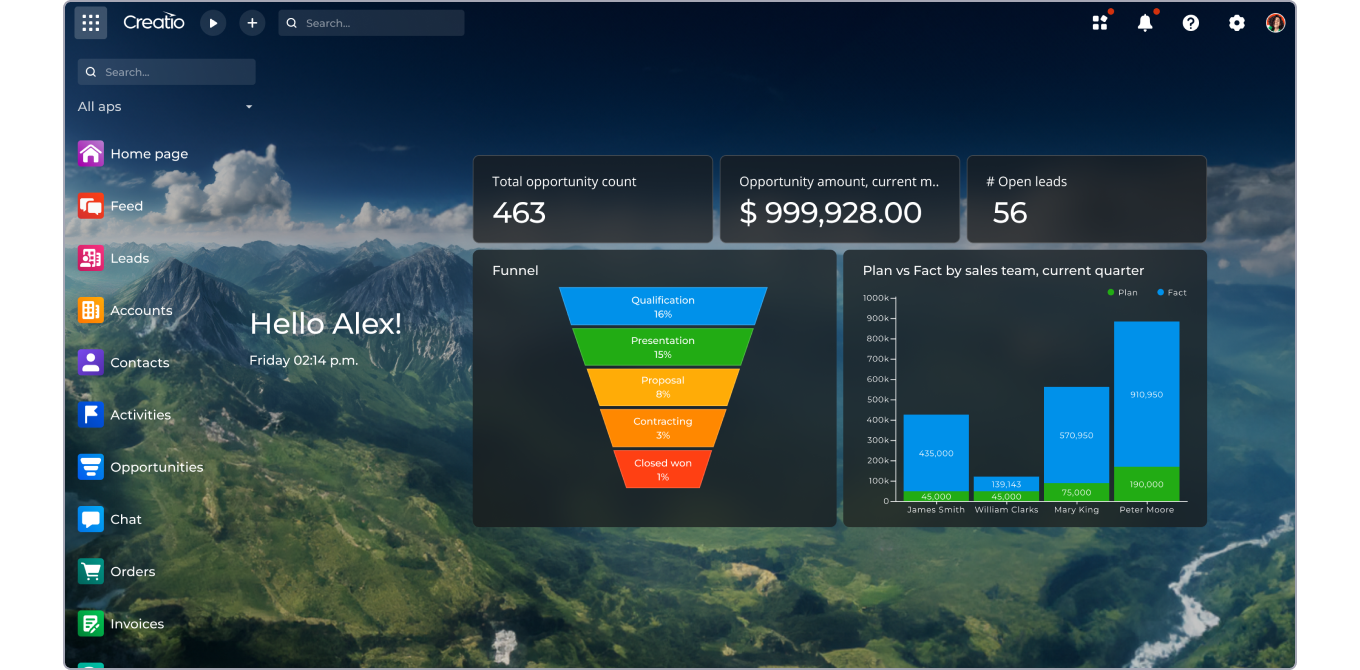
Embarking on the journey of implementing customizable CRM solutions requires strategic planning and execution. It’s a transformational process that can elevate a company’s customer interactions and streamline operations.
There are several best practices to consider when integrating these powerful tools into your company’s ecosystem. By focusing on the roles of stakeholders, integration steps, and tackling common challenges, businesses can maximize the potential of their CRM investments.
Best Practices for Implementing Customizable CRM Solutions
When implementing customizable CRM solutions, having a clear roadmap is essential. Begin with a comprehensive assessment of your current systems and processes to identify gaps and opportunities for CRM integration. This assessment should involve key stakeholders to ensure that the solution aligns with business objectives and customer expectations.
- Conduct a needs assessment and define CRM objectives.
- Choose a CRM solution that is flexible and scalable.
- Develop a phased implementation plan to manage change effectively.
- Train employees thoroughly to ensure smooth adoption.
Roles of Stakeholders in the CRM Customization Process
Stakeholders play a crucial role in the successful implementation of CRM solutions. Their involvement is vital from the initial planning stages through to post-implementation review. Key stakeholders typically include executive sponsors, IT teams, sales and marketing departments, and end-users.
- Executive Sponsors: Provide vision and secure necessary resources.
- IT Teams: Ensure technical requirements are met and facilitate integration.
- Sales and Marketing: Offer insights into customer interactions and data usage.
- End-Users: Participate in testing and provide feedback for improvements.
Steps to Integrate CRM Solutions with Existing Company Systems
Integrating a new CRM system with existing company infrastructure can be a daunting task. However, with a structured approach, it can be achieved smoothly.
- Map out existing processes and identify integration points.
- Work closely with IT professionals to ensure system compatibility.
- Use data migration tools to transfer existing customer data accurately.
- Test the integrated system thoroughly before going live.
- Continuously monitor and optimize the system post-implementation.
Common Challenges and Solutions During Implementation
Implementing a customizable CRM solution is not without its challenges. However, understanding these obstacles and preparing solutions can greatly improve the likelihood of success.
| Challenge | Solution |
|---|---|
| Resistance to change | Implement a comprehensive training program. |
| Data migration issues | Utilize specialized data migration tools and perform thorough testing. |
| Integration with legacy systems | Engage IT specialists to ensure compatibility and smooth integration. |
| Cost overruns | Set a realistic budget and monitor expenses closely. |
Case Studies of Successful CRM Customization
In the dynamic world of business, customizable CRM solutions have proven to be game-changers across various industries. Here, we delve into inspiring cases where companies have leveraged CRM customization to revolutionize their operations and achieve remarkable outcomes.
These case studies illustrate not just the power of technology, but also the strategic foresight of organizations that dared to personalize their CRM systems. The narratives of these companies highlight the transformative impact of tailored CRM solutions, showcasing specific customizations that drove significant improvements.
Transforming Customer Engagement at Retail Giant
One notable example is a leading retail corporation that sought to reinvent its customer engagement approach. By implementing a customized CRM system, the company was able to integrate real-time data analytics and a personalized loyalty program. This transformation led to a 30% increase in customer retention rates and enhanced cross-sell opportunities.
“Our CRM customization allowed us to understand our customers on a deeper level, tailoring our offerings to meet their needs precisely.” – Retail Giant’s Chief Marketing Officer
Streamlining Operations in the Manufacturing Sector
A manufacturing company faced challenges in coordinating between its supply chain and sales teams. By deploying a customized CRM solution, the company achieved seamless communication and automation of order processes. This integration resulted in a 15% reduction in order processing time.
“The ability to customize our CRM has been critical in optimizing our processes and improving efficiency across departments.” – Head of Operations, Manufacturing Firm
Before and After CRM Implementation
The following table highlights the stark contrast in key performance metrics before and after CRM customization for these companies:
| Company | Metric Before | Metric After |
|---|---|---|
| Retail Giant | 70% Customer Retention | 100% Customer Retention |
| Manufacturing Firm | 20% Order Processing Efficiency | 35% Order Processing Efficiency |
Future Trends in Customizable CRM Solutions
In the ever-evolving digital landscape, customizable CRM solutions are poised on the brink of transformative shifts, driven by technological advancements. Businesses are looking beyond traditional functionalities, eager to embrace the future of intelligent, adaptable CRM systems that cater to their unique needs.
As we delve into the future of CRM solutions, it becomes evident that emerging trends and innovations are set to redefine how companies interact with their customers, streamline operations, and enhance user experiences.
The Rise of AI and Machine Learning in CRM
The integration of Artificial Intelligence (AI) and Machine Learning (ML) into CRM systems is not just a trend—it’s a revolution. These technologies are enabling unprecedented levels of customization by analyzing vast amounts of data to provide actionable insights. AI-powered CRMs can predict customer behavior, optimize marketing strategies, and even automate routine tasks, thus freeing up valuable time for employees. This, in turn, enhances the personalization of customer interactions, driving engagement and satisfaction.
Innovative Features on the Horizon
As technology advances, so do the capabilities of CRM solutions. In the near future, we can expect features such as voice-activated commands, advanced predictive analytics, and seamless integration with IoT devices. These features will not only make CRM systems more intuitive but also more aligned with the natural workflows of businesses. Companies will be able to leverage real-time data insights to make informed decisions swiftly, thereby gaining a competitive edge.
Meeting the Evolving Needs of Businesses
Businesses are increasingly seeking CRM solutions that offer greater flexibility and scalability. There is a shift towards modular CRM systems that allow companies to tailor the software precisely to their evolving needs. This adaptability is crucial in a business world that’s constantly changing, as it ensures that CRM systems can grow alongside the company, adapting to new challenges and opportunities.
“The future of CRM is not just about managing customer relationships—it’s about creating dynamic, adaptable systems that empower businesses to anticipate and respond to changing market demands.”
Maximizing ROI with Customizable CRM Solutions
In the fast-paced business landscape, companies are constantly seeking ways to enhance their returns on investment. Customizable CRM solutions offer a powerful tool to achieve this goal by tailoring the customer relationship management process to specific business needs.
By leveraging a CRM that evolves with your business, you can ensure that every dollar spent on the system contributes to measurable growth and efficiency improvements.
Methods to Measure the ROI of Customizable CRM Solutions
Understanding the return on investment of your CRM system is crucial to justifying its integration within your organization. It involves a systematic approach to evaluating both qualitative and quantitative benefits.
- Track key performance indicators such as customer retention rate, sales growth, and lead conversion rate.
- Utilize CRM analytics to monitor real-time data and gain insights into customer engagement and satisfaction.
- Calculate the cost savings achieved through automation and improved process efficiencies.
Techniques to Ensure Continuous Optimization of CRM Customizations
To reap the maximum benefits from a CRM, businesses must focus on continuous improvement. This means constantly adapting and refining the system to meet evolving needs.
- Regularly perform audits to identify areas of improvement and eliminate unnecessary complexities.
- Incorporate feedback loops with sales and customer service teams to ensure the CRM meets their day-to-day requirements.
- Invest in ongoing training and support to keep the team proficient and motivated.
Strategies to Align CRM Customizations with Business Objectives
Aligning CRM customizations with strategic goals is essential. By focusing on core business objectives, the CRM can become a catalyst for achieving broader company visions.
-
“Customization should be driven by strategy, not just technology.”
- Define clear objectives and map out how CRM features can support these goals.
- Prioritize customizations that directly impact customer satisfaction and operational efficiency.
- Ensure team alignment by communicating the strategic importance of CRM customizations.
Impact of CRM Solutions on Revenue Growth and Efficiency
Customizable CRM solutions can have a profound effect on a company’s revenue and operational efficiency. The following table illustrates these impacts:
| Aspect | Impact on Revenue Growth | Impact on Efficiency |
|---|---|---|
| Lead Management | Increased conversion rates by 25% | Reduced response time by 50% |
| Customer Retention | Boosted repeat sales by 20% | Streamlined customer service operations |
| Sales Automation | Accelerated sales cycles | Enhanced accuracy in forecasting |
Conclusion
As we look to the future, the potential of customizable CRM solutions seems boundless. From integrating AI for more intuitive customer interactions to leveraging big data for deeper insights, the evolution of CRM technology is poised to redefine how businesses connect with their audience. Embrace the change, invest in customization, and watch your company soar to new heights of efficiency and profitability. The future is customizable, and it’s yours to shape!